Plant Health Care Specialists
Pine Beetle Treatment in North Augusta, Aiken, and the CSRA
Pitch tubes on the bark, sawdust at the base, or a pine going brown from the top down? Southern pine beetles can kill a pine in weeks and spread fast to the ones around it, so the honest first step is finding out which of your pines can still be protected and which need to come down now. Serving North Augusta, Aiken, Augusta, Evans, Martinez, and the surrounding CSRA.
- Licensed Applicators
- Biology Degreed Team
- Pest & Disease Treatment
Get your FREE
Tree Inspection
We’ll call you within one business day to schedule your free on-site inspection. No obligation, no hard sell, no upsells you don’t need.
By submitting, you agree we may contact you by phone, text, or email about your request. Msg/data rates may apply. Reply STOP to unsubscribe. See our Privacy Policy.

What is pine beetle treatment?
Pine beetle treatment is the protection of healthy, high-value pines with preventive trunk sprays or injections, combined with the fast removal of already-infested trees to stop the beetles from spreading. Once a pine is under full attack it usually cannot be saved, so real treatment is about protecting the pines that still can be and removing the ones that are lost. Arborwright provides pine beetle treatment and prevention across North Augusta, Aiken, and the CSRA, using a Licensed Applicator.
How do I know if my pine tree has beetles?
You are in the right place if a pine has popcorn-sized pitch blobs on the bark, reddish sawdust at the base, or a crown fading from green to yellow to brown. With pine beetles the signs matter and so does the timing, because a pine that is already browning is usually past saving and a threat to the pines next to it.
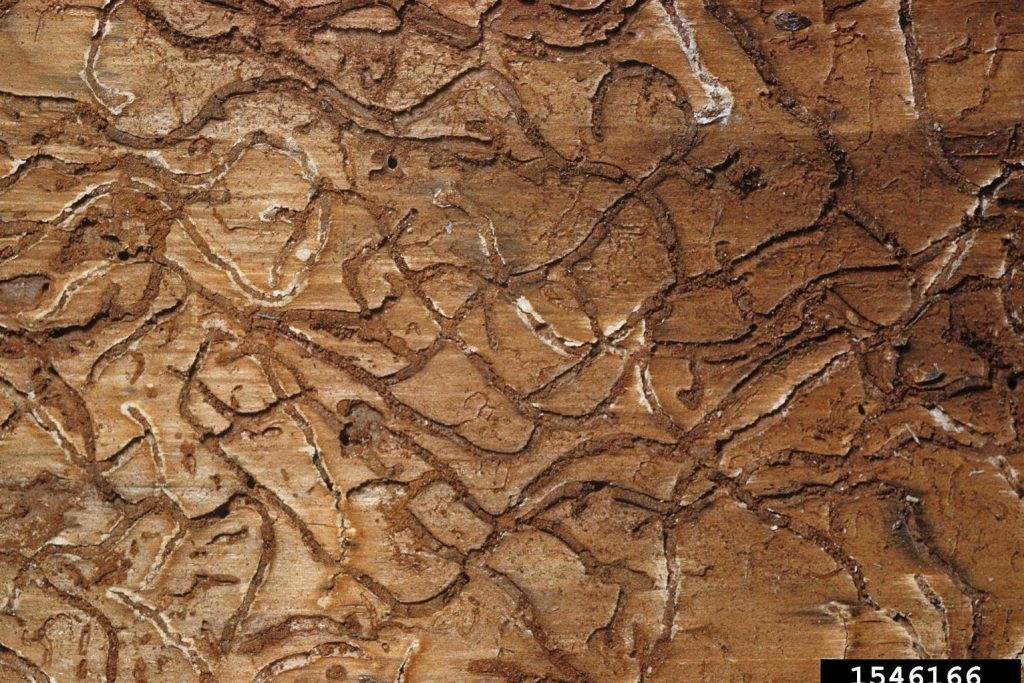
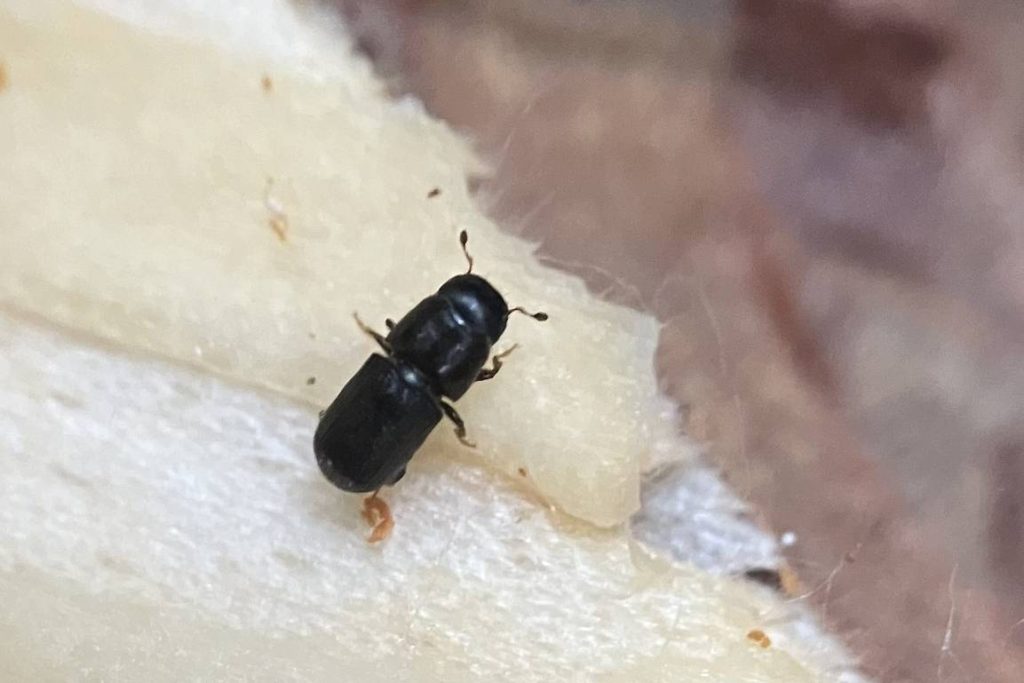
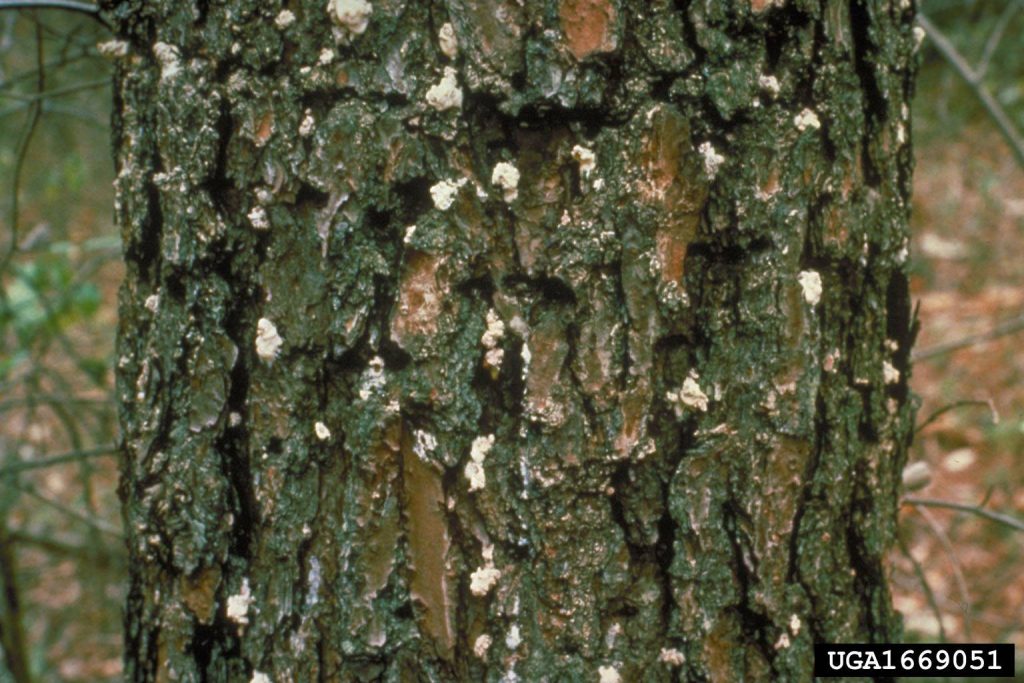
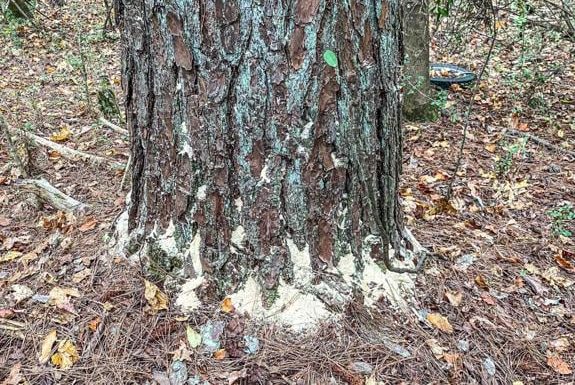
- Popcorn-shaped pitch tubes on the bark
- Reddish sawdust at the base of the tree
- Small round holes in the pine bark
- A crown turning yellow then brown
- Needles browning from the top down
- S-shaped galleries under the bark
Not sure what is on your pine? Send us a photo of the bark and crown for free input, and do not wait if it is spreading.
Why can a pine with beetles usually not be saved?
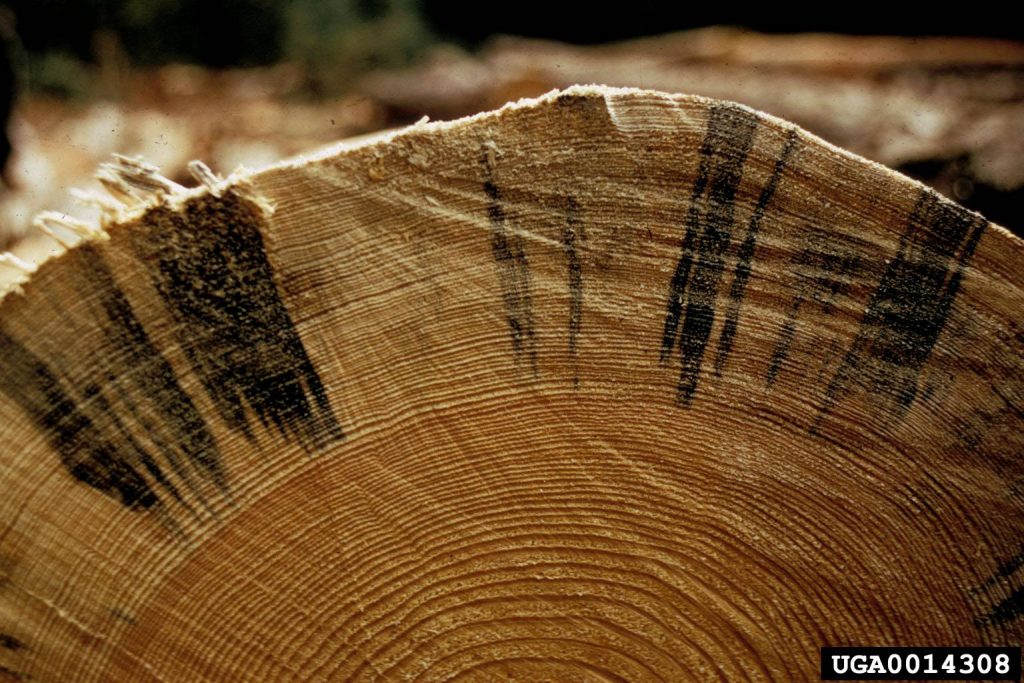
Pine bark beetles do not just chew on a tree, they overwhelm it. Southern pine beetles attack in huge numbers, boring through the bark to lay eggs in the living tissue, and they bring a blue-stain fungus with them that clogs the very vessels the tree uses to move water. Between the tunneling and the fungus, the tree is girdled from the inside in a matter of weeks. By the time the crown fades from green to brown, the beetles have usually already left for the next tree, and the pine you are looking at is dead even though it is still standing.
That is why treating an actively infested, fading pine rarely works, and why anyone who sells you a spray to cure it is selling false hope. The two things that do work are prevention and removal. A healthy, high-value pine can be protected before it is attacked, with a trunk spray or a systemic injection that kills beetles as they try to bore in. An already-infested pine needs to come down quickly, because every day it stands it is a brood tree pumping out more beetles toward your other pines. Southern pine beetle is the aggressive one that attacks healthy trees in groups, while Ips beetles and the black turpentine beetle usually go after pines already stressed, damaged, or recently cut.
Knowing which pines can still be saved and which are lost is the whole job, and it is a Licensed Applicator’s call. Burns Newsome reads the attack with two degrees in the biological sciences, telling you honestly when a pine is worth protecting and when it is past the point of treatment and needs to be removed to protect the rest. The preventive products are restricted and have to be applied correctly to work, and a pine that does not need treating does not get treated. The goal is to lose as few pines as possible, not to spray every tree on the property.

How does Arborwright handle a pine beetle infestation?
Step 01 · Identify and confirm
We confirm the beetle, southern pine beetle, Ips, or black turpentine beetle, and check each pine to see which are under attack and which are still healthy. The species and the stage tell us what can be saved and what cannot.
Step 02 · Protect the healthy pines
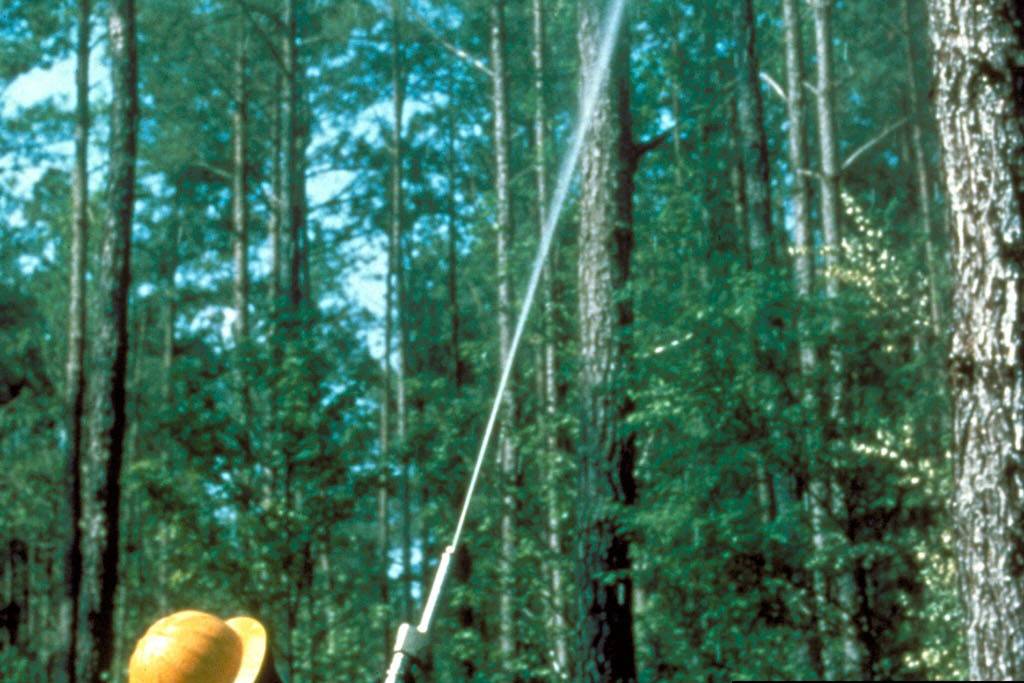
High-value pines that are not yet infested can be protected with a preventive trunk spray or a systemic injection by a Licensed Applicator, killing beetles as they attempt to bore in. This is where treatment actually works, before the attack succeeds.
Step 03 · Remove the infested pines
A pine that is already infested is a brood tree producing more beetles, so it comes down quickly to stop the spread to your other pines. Arborwright's tree removal service handles that safely, and the wood is dealt with so it does not keep harboring beetles.
Step 04 · Monitor the stand
Beetle pressure runs in cycles, so we watch the remaining pines through the season for new pitch tubes or fading crowns and act early on any new attack. Catching the next one fast is what keeps an outbreak from taking the whole stand.
What to expect when pine beetles hit
DAY 0
Assessment
We assess fast, confirm the beetle, and sort your pines into what can be protected and what is already lost.
WEEK 1
Prevention
Healthy high-value pines are treated preventively, and infested pines are removed quickly before they seed the next attack.
SEASON 1
Removal
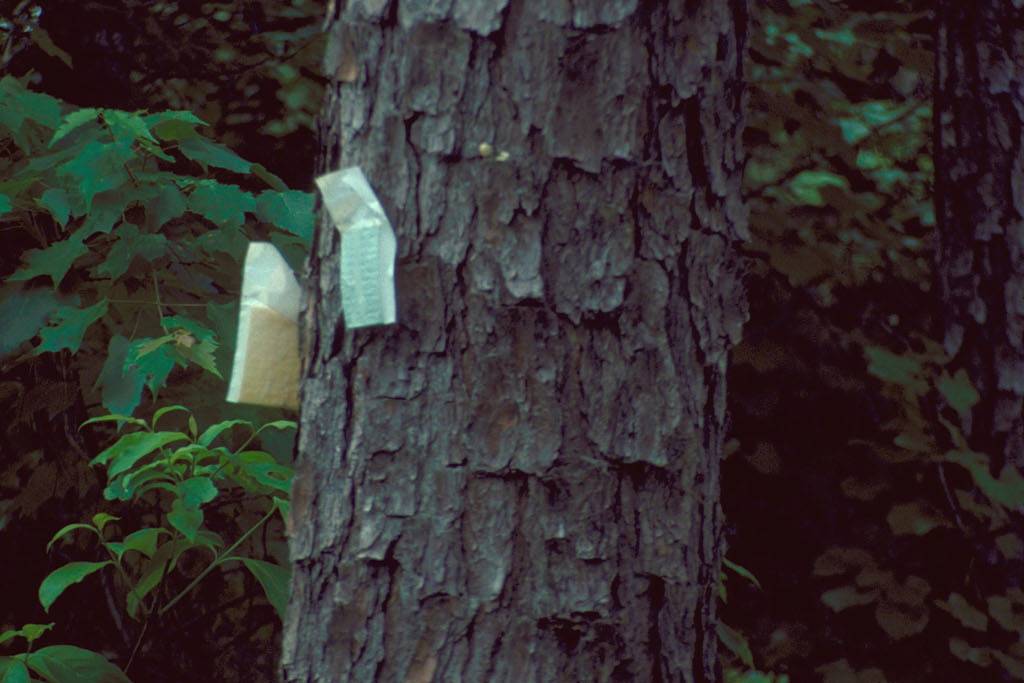
We watch the remaining pines through the active season for new pitch tubes or fading crowns and respond early to any new hit.
ONGOING
Monitoring
During an outbreak, preventive protection on your most valuable pines is renewed on schedule for as long as the pressure lasts.
What treatment can and cannot do
Pine beetle work is judged by how many pines you keep, not by saving the one that is already brown. Protected healthy pines usually come through an outbreak, while pines under full attack are removed before they spread. An honest assessment up front, fast removal of the lost trees, and preventive protection on the valuable ones is the combination that saves a stand. There is no spray that revives a pine the beetles have already killed.
Why CSRA homeowners choose Arborwright


Diagnostic-first tree care
Most tree services start with “what do you want us to do?” We start with “what’s actually going on?” Arborwright is built around plant health care and diagnostic-first work, which means we look at your tree, identify what’s wrong, and tell you honestly what it needs. Sometimes that means treatment. Sometimes it means a pruning plan. Sometimes it means removal. We tell you which, with the evidence to back it up.
Our arborists know the CSRA’s soils, humid subtropical climate, and the tree species that thrive and struggle here. Local conditions matter. We show up prepared for them.
Science-based diagnostics
Every recommendation backed by plant pathology, soil science, and real evidence.
Honest recommendations
We tell you what your tree actually needs, even when it's less work for us.
The people behind Arborwright
Real credentials. Real expertise. Real local knowledge.

Burns Newsome
Founder & Plant Health Care Specialist
Licensed Applicator | B.S. Biology + M.S. Genetics | Former Vanderbilt Research Team
I come from a research background. Before founding Arborwright Tree Care, I spent several years as part of a research team at Vanderbilt University Medical Center, where careful observation and methodical thinking defined the job. I hold two degrees in the biological sciences, and I apply that same research-first mindset to every tree I evaluate.
What drives my work is a deep passion for healthy ecological landscapes. I believe most struggling trees can be saved when the right diagnosis comes first. Removal is a last resort, not a default. Across North Augusta, Aiken, Augusta, and the rest of the CSRA, I help homeowners understand what’s actually happening with their trees, from crape myrtle bark scale to root stress to storm damage, and build treatment plans backed by evidence instead of guesswork.
When I’m not in the field, I’m on my own land with my two boys: catching critters, fishing, and managing the property to support the greatest diversity of life it can hold. That’s how this business started. At some point, working within the constraints of my own backyard wasn’t enough. I wanted to care for the landscape around me in a meaningful way, and help the people in my community do the same. Arborwright is how I do that.
Thomas Wilson
ISA Certified Arborist®
ISA Certified Arborist® | ISA Member | 13 Years of Field Experience
I came up in tree work in Tennessee, where I spent years climbing, pruning, and learning how trees actually behave under load and stress. There is no shortcut for that kind of time in the canopy. When I moved to the CSRA, I brought that hands-on foundation with me and adapted it to a new set of species, the region’s soils, and a much longer growing season.
Earning my ISA Certified Arborist® credential held that field experience to a documented, tested standard. My focus is structure and risk: how a tree is built, where it is weak, and what it is likely to do in the next storm. I would rather find a failure point on a calm afternoon than after a limb is already down on someone’s roof.
What I value most is the work that keeps a mature tree standing. A large, established tree takes decades to replace, and most of the ones I assess can be kept healthy and sound when someone reads them early and acts on what they find. That is the part of this job I care about, and it is why I am glad to do it here in the CSRA.
Pine beetle treatment pricing
The on-site assessment is free. Preventive treatment is typically priced per pine by trunk size, and removal of infested pines is quoted separately, with the combination ranging and depending on the factors below.
- Number and size of pines
- Preventive spray or systemic injection
- How many pines are already infested
- Removal of infested trees
- Property access and layout
- One-time or ongoing protection
Free assessment includes
Your free assessment includes confirming the beetle species, an honest call on which pines can be protected and which are past saving, and itemized pricing for prevention and any removal. If a pine is already lost, Burns will tell you straight rather than sell you a treatment that cannot work. No obligation and no pressure.
Frequently asked questions
Everything property owners ask about pine beetles and treatment.
The on-site assessment is free. Preventive treatment is usually priced per pine by trunk size, and removing an infested pine is quoted separately. Protecting a few high-value pines costs far less than removing several after an outbreak spreads, which is the case for acting early. Arborwright confirms which pines are actually worth treating first, so you are not paying to spray trees that cannot be saved or do not need it.
Usually not, once it is under full attack. Southern pine beetles bring a blue-stain fungus that clogs the tree’s water system, and by the time the crown turns brown the tree is dead even if it is still standing. Treatment works as prevention on healthy pines, not as a cure for infested ones. An infested pine’s best use is coming down fast before it spreads beetles to the others.
Those are pitch tubes, the tree’s resin pushed out where beetles bored into the bark, and they are one of the clearest signs of southern pine beetle attack. They look like small popcorn-sized lumps of pitch, sometimes white, pink, or reddish. Pitch tubes mean beetles are actively in the tree, so a pine showing them needs to be assessed right away.
Fine reddish-brown sawdust, called frass, collecting at the base of a pine or in the bark crevices is a sign of beetles tunneling inside. It is the boring dust the beetles push out as they excavate galleries under the bark. Combined with pitch tubes or a fading crown, sawdust at the base usually confirms an active beetle infestation that needs a fast response.
It can be. A pine that fades from green to yellow to reddish-brown, often from the top down or one side, is a classic late sign of pine beetles, though drought and root problems can brown a pine too. The trouble is that by the time a beetle-killed pine browns, it is generally too late to save and the beetles have moved on. A quick assessment tells you the cause and whether nearby pines are now at risk.
Southern pine beetle is the aggressive one, attacking healthy pines in large groups and capable of killing trees and spreading across a stand quickly. Ips engraver beetles and the black turpentine beetle usually attack pines that are already stressed, damaged, drought-hit, or recently cut. Identifying which beetle is present matters, because southern pine beetle calls for fast action to protect the surrounding healthy pines.
A healthy, high-value pine can be protected before beetles attack, either with a preventive insecticide sprayed on the trunk or with a systemic product injected into the tree, both of which kill beetles as they try to bore in. This is applied by a Licensed Applicator and is most worth doing during an active local outbreak or for irreplaceable specimen pines near the home.
An infested pine is a brood tree, with thousands of beetles developing under the bark that will emerge and attack the pines nearby. Leaving it standing during an outbreak is how one dead pine becomes ten. Removing it quickly, and handling the wood so it does not keep harboring beetles, breaks that cycle and protects the rest of your pines. Speed is the single biggest factor in containing pine beetles.
Yes. Southern pine beetle is native to the Southeast and runs in cycles, with periodic outbreaks across South Carolina and Georgia, and the CSRA’s many loblolly and other southern pines make it a recurring threat. Ips beetles and the black turpentine beetle are present year-round on stressed trees. Hot, dry summers tend to raise the pressure, which is when preventive protection on valued pines matters most.
Many companies will sell a treatment for a pine that is already dead, which does nothing. Arborwright tells you honestly which pines can be protected and which are past saving, protects the healthy ones with the right product, and removes the lost ones fast to stop the spread. Burns Newsome is a Licensed Applicator with two degrees in the biological sciences, so the diagnosis is straight and the treatment is only used where it works.
Trusted by homeowners across the CSRA
Real reviews from real customers across North Augusta, Augusta, Aiken, and the CSRA. Want to be one of them? Schedule your free inspection.
Pine beetle treatment near you
Arborwright Tree Care provides plant health care, tree services, and arborist consultations across North Augusta, Augusta, Aiken, Evans, Martinez, and the surrounding CSRA. Find your area below.
North Augusta, SC
Hammond’s Ferry, Riverview Park, downtown North Augusta. Our home base.
Augusta, GA
West Augusta, Summerville, National Hills, Forest Hills, downtown.
Aiken, SC
Downtown Aiken, Houndslake, Woodside, Hitchcock Woods area.
Evans, GA
Riverwood Plantation, Evans to Locks, Kiokee.
Photo Credits
Roger Anderson, Duke University, Bugwood.org
Ignazio Graziosi, UGA Warnell School of Forestry and Natural Resources, Bugwood.org
Southern Forest Insect Work Conference, Bugwood.org
University of Georgia, Bugwood.org
Robert L. Anderson, USDA Forest Service, Bugwood.org (Spb-timeline-4)