YEAR-ROUND TREE CARE
Annual Plant Health Care Programs in North Augusta, Augusta, and Aiken
Most people only call a tree service when something is already wrong, and by then it is an emergency or too late. An Arborwright plant health care program flips that, putting your trees on a year-round schedule of inspection, feeding, and protection so problems are caught and prevented instead of treated in a panic. Built around your specific trees, across North Augusta, Augusta, Aiken, and the rest of the CSRA.
- Biology Degreed Team
- Preventive tree care
- Licensed Applicator
Get your FREE
Tree Inspection
We’ll call you within one business day to schedule your free on-site inspection. No obligation, no hard sell, no upsells you don’t need.
By submitting, you agree we may contact you by phone, text, or email about your request. Msg/data rates may apply. Reply STOP to unsubscribe. See our Privacy Policy.

What is a plant health care program?
A plant health care program is a year-round, proactive plan that keeps trees healthy through scheduled inspection, feeding, and targeted treatment, instead of reacting after a problem appears. Modeled on preventive medicine, it catches issues while they are small, keeps trees vigorous, and spreads care across the seasons rather than into one expensive emergency. Arborwright builds plant health care programs around your specific trees across North Augusta, Augusta, Aiken, and the CSRA.
Who is a tree care program for?
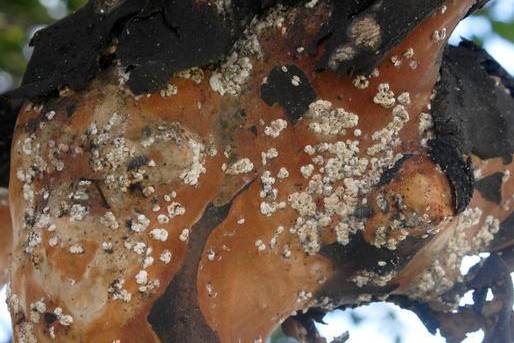
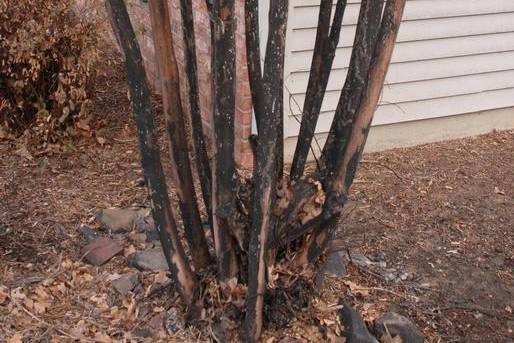
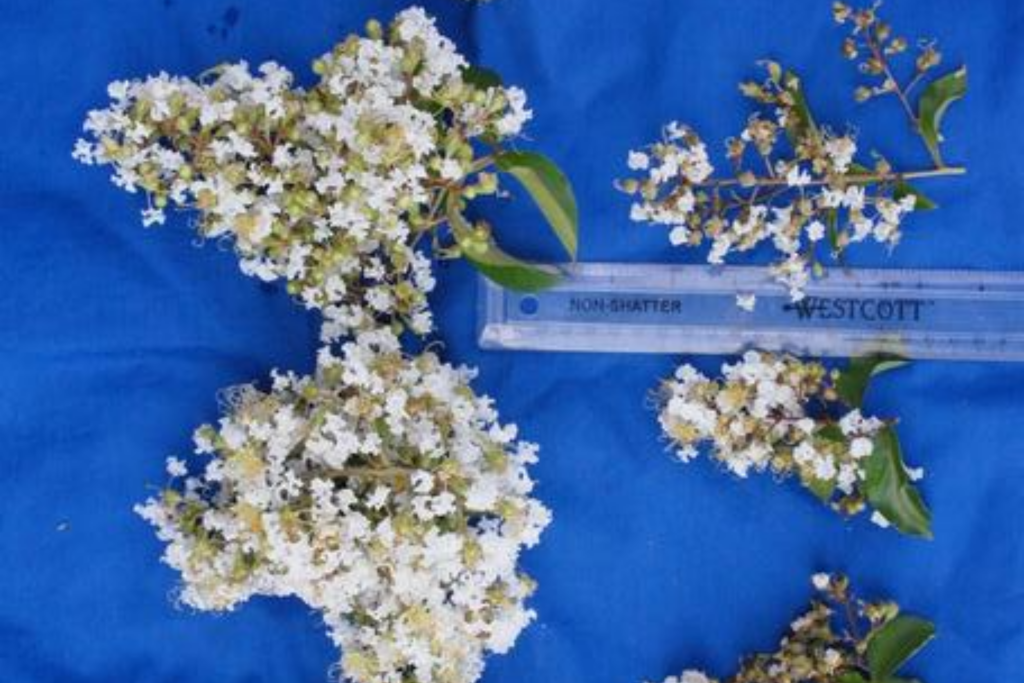
A program makes sense if you have trees worth keeping healthy and would rather prevent problems than scramble after them. On CSRA properties this is most homeowners with mature live oaks, water oaks, pines, and crepe myrtles, trees valuable enough that losing one would hurt and large enough that an emergency is expensive.

- Mature trees you do not want to lose
- A property with several trees to manage
- A tree you just paid to treat or save
- Newly planted trees still establishing
- Tired of only calling when it is urgent
- Want one plan instead of one-off calls
Not sure what your trees need year to year? Schedule a free assessment and we will map it out.
Why is it cheaper to keep a tree healthy than to save a sick one?
Tree care usually happens backward. People wait until a tree is visibly sick, dropping limbs, or half dead, and then pay to rescue it, when the same money spent earlier would have prevented the problem entirely. It is the difference between a dental cleaning and a root canal. A small issue caught on a scheduled visit is a minor treatment, while the same issue found two years later can mean a major intervention or a tree that cannot be saved at all.
Plant health care is the preventive-medicine model applied to trees: regular checkups, the right care at the right time, and small corrections before they become emergencies. The value is not in doing more to a tree, it is in catching the things you would never notice yourself, early decline, a pest building up, soil quietly choking the roots, while there is still an easy fix. A tree on a schedule has someone qualified looking at it a few times a year, which is the single biggest predictor of whether a problem gets caught in time.
The fear with any program is paying for treatments a tree does not need. Arborwright builds the opposite kind of plan, scoped to what your specific trees actually require, which sometimes means a season where the honest recommendation is to do nothing but watch. Burns Newsome built the plant health care side around diagnosis first and two degrees in the biological sciences, and the plan reflects the tree in your yard, not a package sold to everyone. The goal is trees that need less rescuing over time, not a bigger invoice every year.

How does an Arborwright tree care program work?
Step 01 · Assess your trees
We start with a full assessment of the trees on your property: species, age, health, soil, and the specific risks each one faces. The plan is built on what your trees actually need, not a one-size package.
Step 02 · Build the plan
We map out the year, which trees need feeding, monitoring, treatment, or pruning, and when. You get a clear plan and itemized pricing, and nothing goes on it that the trees do not need.
Step 03 · Care through the seasons
Visits are scheduled across the year so each task lands at the right time, dormant-season pruning, growing-season treatments, storm-season checks. One arborist who knows your trees handles it, so nothing falls through the cracks.
Step 04 · Review and adjust
Each year we review how the trees responded and adjust the plan. As trees mature, recover, or face new pressures, the program changes with them, so you are always caring for the trees you have now.
What does a year on the program look like?
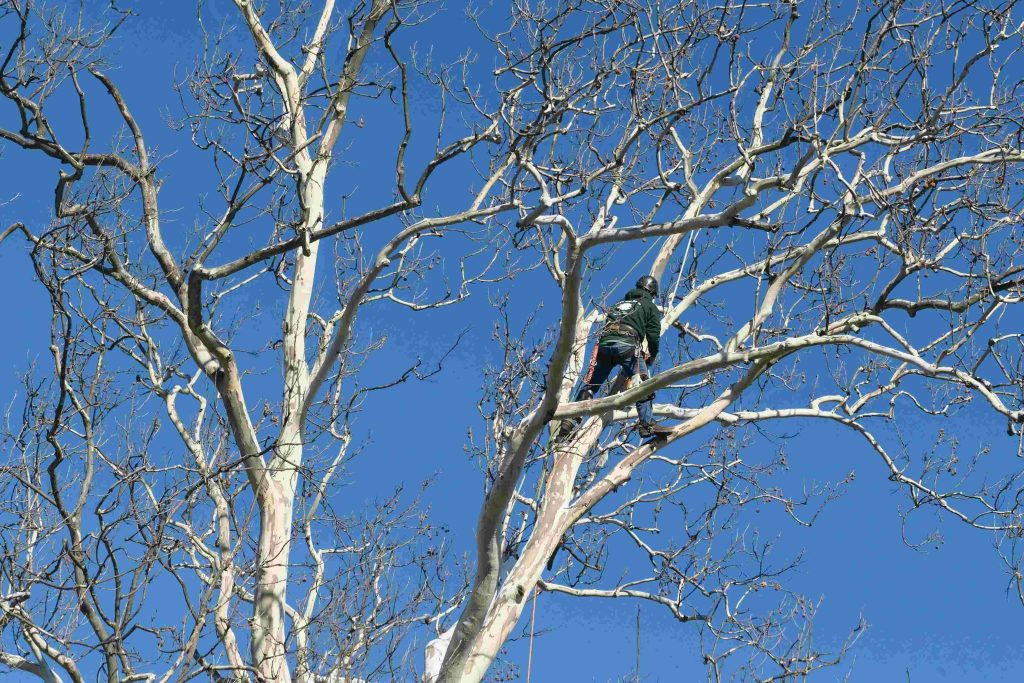
WINTER
Pruning and structure
Dormant-season pruning and structural work, when cuts heal cleanly and the bare canopy is easiest to read.
SPRING
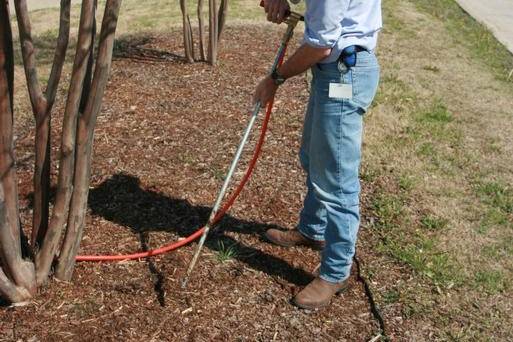
Feeding and prevention
Deep root feeding and preventive treatments timed to the start of the growing season, plus a check on winter stress.
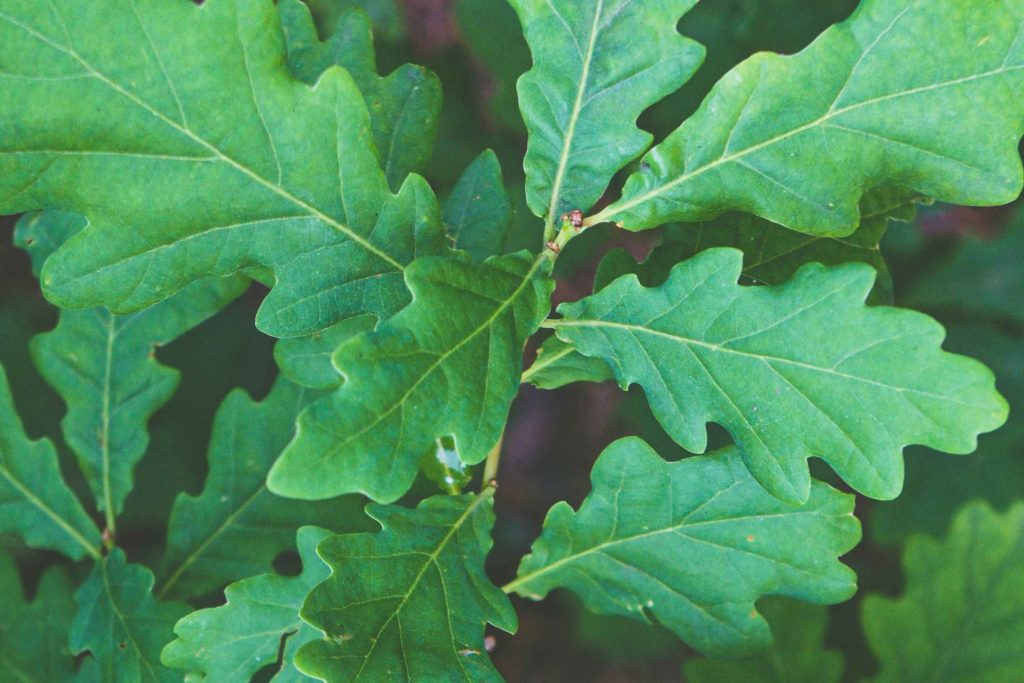
SUMMER
Monitoring and treatment
Pest and disease monitoring while trees are in full leaf, with targeted treatment for anything that shows up.
FALL
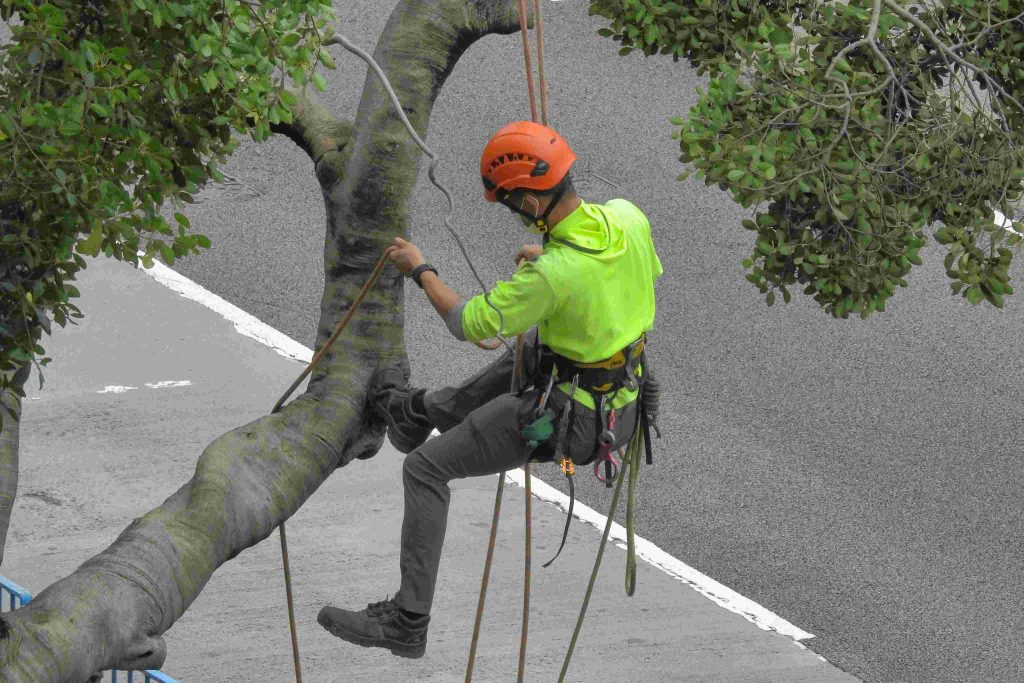
Health check and storm prep
An annual health and risk check heading into storm season, and fall feeding to build root reserves for winter.
What a program buys you
Trees that stay healthy on purpose instead of by luck, problems caught while they are cheap to fix, and a single arborist who knows your property. Over the years, trees on a program tend to need fewer rescues and less drastic work, because the small things were handled before they became big ones.
Why CSRA homeowners choose Arborwright

Diagnostic-first tree care
Most tree services start with “what do you want us to do?” We start with “what’s actually going on?” Arborwright is built around plant health care and diagnostic-first work, which means we look at your tree, identify what’s wrong, and tell you honestly what it needs. Sometimes that means treatment. Sometimes it means a pruning plan. Sometimes it means removal. We tell you which, with the evidence to back it up.
Our arborists know the CSRA’s soils, humid subtropical climate, and the tree species that thrive and struggle here. Local conditions matter. We show up prepared for them.
Science-based diagnostics
Every recommendation backed by plant pathology, soil science, and real evidence.
Honest recommendations
We tell you what your tree actually needs, even when it's less work for us.
The people behind arborwright
Real credentials. Real expertise. Real local knowledge.

Burns Newsome
Founder & Plant Health Care Specialist
Licensed Applicator | B.S. Biology + M.S. Genetics | Former Vanderbilt Research Team
I come from a research background. Before founding Arborwright Tree Care, I spent several years as part of a research team at Vanderbilt University Medical Center, where careful observation and methodical thinking defined the job. I hold two degrees in the biological sciences, and I apply that same research-first mindset to every tree I evaluate.
What drives my work is a deep passion for healthy ecological landscapes. I believe most struggling trees can be saved when the right diagnosis comes first. Removal is a last resort, not a default. Across North Augusta, Aiken, Augusta, and the rest of the CSRA, I help homeowners understand what’s actually happening with their trees, from crape myrtle bark scale to root stress to storm damage, and build treatment plans backed by evidence instead of guesswork.
When I’m not in the field, I’m on my own land with my two boys: catching critters, fishing, and managing the property to support the greatest diversity of life it can hold. That’s how this business started. At some point, working within the constraints of my own backyard wasn’t enough. I wanted to care for the landscape around me in a meaningful way, and help the people in my community do the same. Arborwright is how I do that.
Thomas Wilson
ISA Certified Arborist®
ISA Certified Arborist® | ISA Member | 13 Years of Field Experience
I came up in tree work in Tennessee, where I spent years climbing, pruning, and learning how trees actually behave under load and stress. There is no shortcut for that kind of time in the canopy. When I moved to the CSRA, I brought that hands-on foundation with me and adapted it to a new set of species, the region’s soils, and a much longer growing season.
Earning my ISA Certified Arborist® credential held that field experience to a documented, tested standard. My focus is structure and risk: how a tree is built, where it is weak, and what it is likely to do in the next storm. I would rather find a failure point on a calm afternoon than after a limb is already down on someone’s roof.
What I value most is the work that keeps a mature tree standing. A large, established tree takes decades to replace, and most of the ones I assess can be kept healthy and sound when someone reads them early and acts on what they find. That is the part of this job I care about, and it is why I am glad to do it here in the CSRA.

Plant health care program pricing
The on-site assessment is free. Programs are scoped to your trees and the level of care they need, and typically range based on the factors below, billed per visit or as an annual plan.
- Number and size of trees
- Services included in the plan
- How often visits are scheduled
- Condition of the trees now
- Single property or larger lot
- Annual plan or per-visit billing
Free assessment includes
Your free assessment includes a full look at the trees on your property, an honest plan for what they actually need across the year, and itemized pricing with no obligation. If a tree needs nothing this season, we will tell you that too.
Frequently asked questions
Everything homeowners ask before starting a plant health care program.
The on-site assessment is free, and programs are scoped to your trees and the care they need. Cost depends on the number and size of the trees, the services included, and how often visits are scheduled, and can be billed annually or per visit. The plan only includes what the trees actually require, so it is built around your property, not a fixed package.
Plant health care is the preventive-medicine model applied to trees: scheduled inspection, feeding, and targeted treatment that keeps trees healthy rather than reacting after a problem appears. It catches early decline, building pests, or soil issues while they are still easy to fix. A program puts that care on a year-round schedule built around the specific trees on a property.
For valuable or mature trees, usually yes. The cost of preventing a problem is almost always lower than rescuing a tree after it declines, and many trees that fail were never on anyone’s radar until it was too late. A program is most worth it on trees you would genuinely miss and on properties where an emergency is expensive.
A plan can include scheduled inspections, deep root fertilization, pest and disease monitoring and treatment, structural pruning, and an annual health and risk check. The exact mix is scoped to the trees on the property, so a yard with two crepe myrtles and one with a stand of mature oaks get very different plans built around what each needs.
No. The plan is built on a diagnosis of what the specific trees require, and some seasons the honest recommendation is to monitor and do nothing. Arborwright’s approach is diagnosis-first, and the goal is trees that need less intervention over time, not a larger invoice each year. A tree that needs nothing is told so.
Lawn-care tree programs tend to be the same spray schedule applied to every yard. Arborwright builds the plan around your specific trees, diagnosed first. Burns Newsome is a Licensed Applicator with two degrees in the biological sciences, and Thomas Wilson is an ISA Certified Arborist® with 13 years of field experience, so the care comes from credentialed arborists, not a blanket route.
Either works, but they get different results. Calling only when something is wrong means problems are usually found late, when they are expensive or past fixing. A program catches issues early and keeps trees healthier between visits. The trade-off is proactive and scheduled versus reactive and urgent, and for valuable trees the proactive route usually costs less over time.
This program is built for homeowners and residential properties. Businesses, HOAs, and property managers have different needs around contracts, liability, and multiple sites, which Arborwright handles through a separate commercial and HOA program. The care philosophy is the same, but the structure and reporting are scoped to each.
No long lock-in is required. Programs run year to year and are reviewed annually, so the plan adjusts as the trees change and you can revisit it each cycle. The point is care that fits the trees over time, not a contract that is hard to leave, and the plan can scale up or down as needs shift.
It starts with a free on-site assessment. An arborist evaluates the trees on the property, then builds a year-round plan scoped to what they actually need, with itemized pricing and no obligation. From there you decide whether to start the program or handle the recommended work as one-time visits.
Trusted by homeowners across the CSRA
Real reviews from real customers across North Augusta, Augusta, Aiken, and the CSRA. Want to be one of them? Schedule your free inspection.
Tree care programs near you
Arborwright Tree Care provides plant health care, tree services, and arborist consultations across North Augusta, Augusta, Aiken, Evans, Martinez, and the surrounding CSRA. Find your area below.
North Augusta, SC
Hammond’s Ferry, Riverview Park, downtown North Augusta. Our home base.
Augusta, GA
West Augusta, Summerville, National Hills, Forest Hills, downtown.
Aiken, SC
Downtown Aiken, Houndslake, Woodside, Hitchcock Woods area.
Evans, GA
Riverwood Plantation, Evans to Locks, Kiokee.
Photo Credits
Mengmeng Gu, Texas A&M AgriLife Extension Service, Bugwood.org