Plant Health Care Specialists
Invasive Plant Removal & Management in North Augusta, Aiken, and the CSRA
Privet taking over the back of the property, kudzu swallowing the tree line, or English ivy climbing your oaks? Cutting invasive plants down only makes them resprout thicker, so Arborwright removes them the way that actually works: targeted cutting paired with a licensed herbicide treatment that kills the roots, then follow-up so they do not come back. Serving North Augusta, Aiken, Augusta, Evans, Martinez, and the surrounding CSRA.
- Biology Degreed Team
- Invasive Plant Removal
- Licensed Applicators
Get your FREE
Tree Inspection
We’ll call you within one business day to schedule your free on-site inspection. No obligation, no hard sell, no upsells you don’t need.
By submitting, you agree we may contact you by phone, text, or email about your request. Msg/data rates may apply. Reply STOP to unsubscribe. See our Privacy Policy.

What is invasive species management?
Invasive species management is the controlled removal of non-native plants that crowd out native trees and shrubs, using targeted cutting combined with a licensed herbicide treatment so the plants do not simply resprout. Done right, it clears aggressive invaders like privet, kudzu, and English ivy and gives the native landscape and the trees they were smothering room to recover. Arborwright manages invasive plants across North Augusta, Aiken, and the CSRA.
How do I know if I have invasive plants?
You are in the right place if a fast-spreading plant is taking over an area, climbing your trees, or coming back thicker every time it is cut. Many of the worst offenders in the CSRA were planted on purpose years ago and sold at garden centers, so they are easy to miss until they take over.
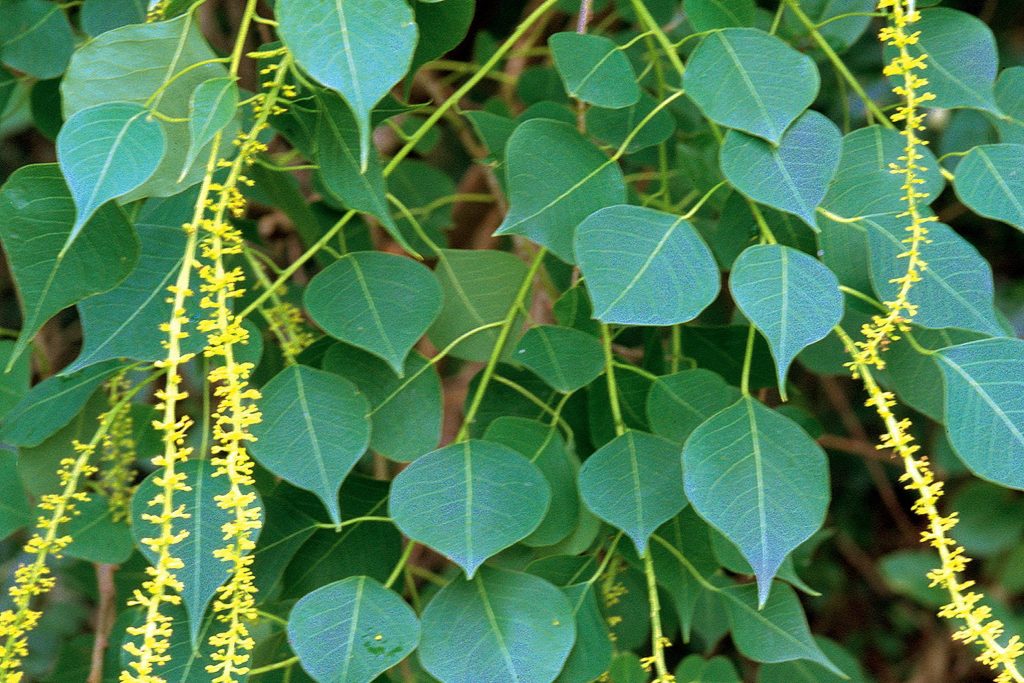
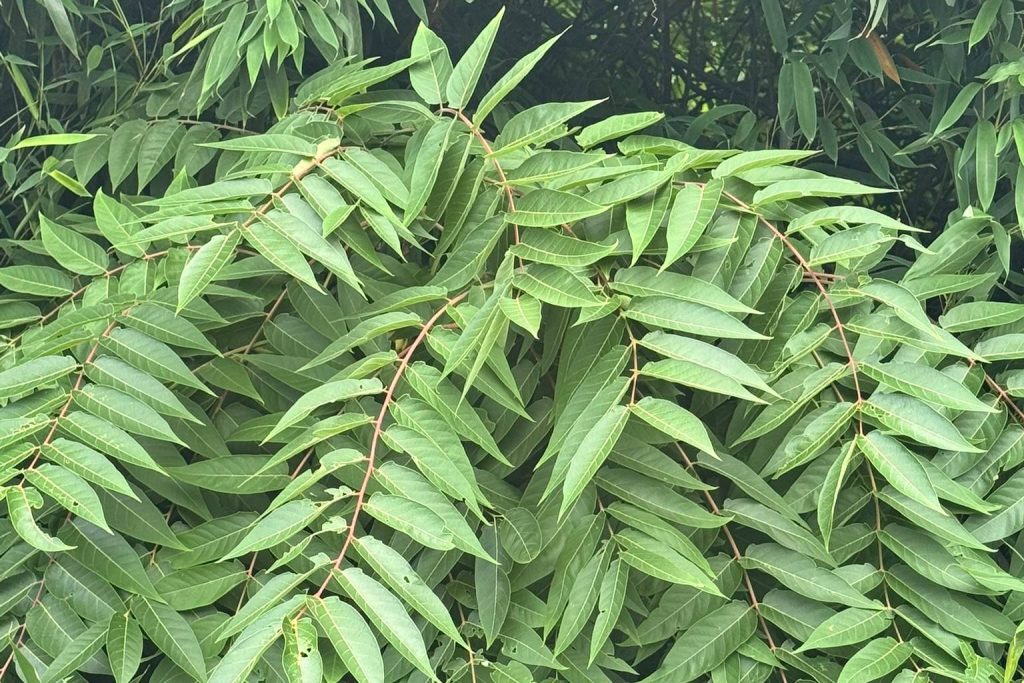
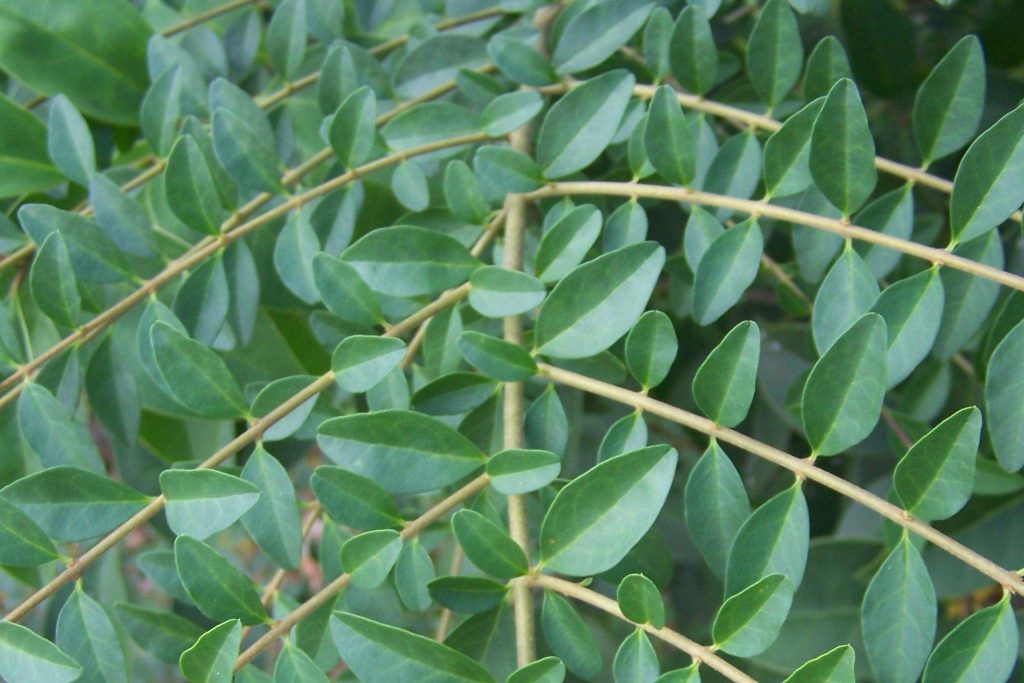
- Chinese privet forming dense thickets
- Kudzu or wisteria swallowing the tree line
- English ivy climbing up your trees
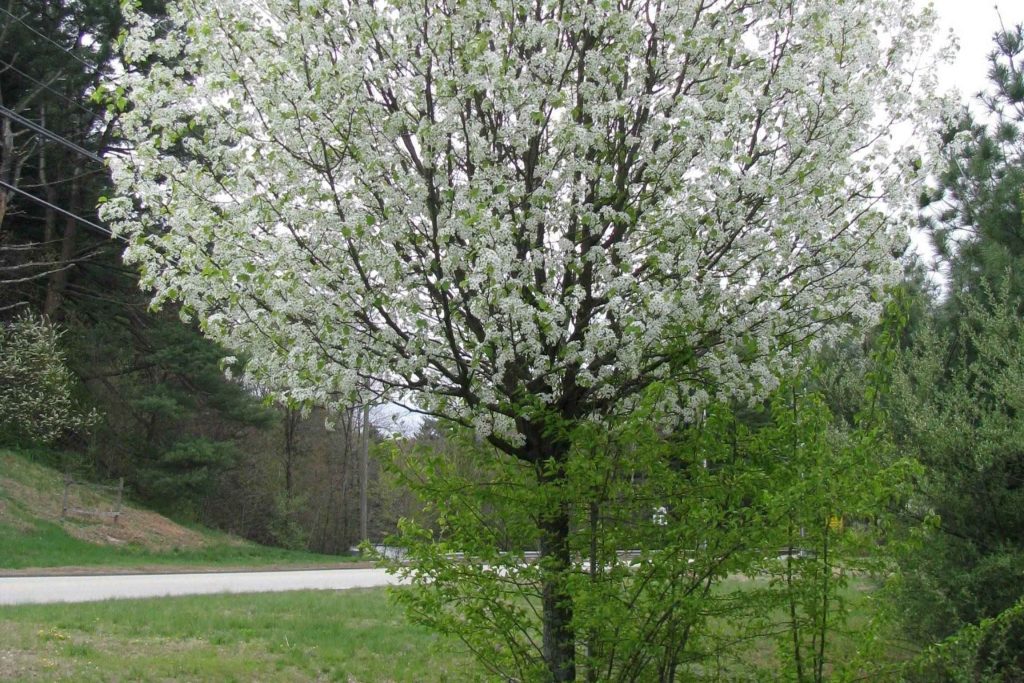
- Bradford pear seedlings spreading wild
- Nandina, mimosa, or tree of heaven sprouting up
- Brush that resprouts thicker after cutting
Not sure if a plant is invasive? Send us a photo for free identification within 24 hours.
Why simply cutting down an invasive plant can make the problem worse
Invasive plants did not take over the Southeast by being easy to kill. Most of them store enormous energy reserves in their root systems, so cutting tree of heaven or privet to the ground triggers the plant to respond from the roots, sending up new growth faster and denser than what you removed. Tree of heaven in particular is notorious for prolific root suckering after mechanical removal, which is why a weekend of brush cutting often leaves you with a worse problem the following spring. Mechanical removal alone is not control, it is pruning the enemy.
Real control kills the roots, and that takes the right herbicide applied the right way at the right time. A cut-stump treatment puts a targeted herbicide directly onto a freshly cut stem so it travels down into the root system rather than triggering regrowth. Basal bark treatment handles woody stems without cutting at all, and foliar application works on vines and broadleaf plants with enough leaf surface to absorb the material. The product, the concentration, the timing, and the target species all determine whether the treatment works or just sets the plant back temporarily. Burns Newsome handles that as a Licensed Applicator with two degrees in the biological sciences, which means the right tool goes on the right plant at the right time, and the native trees and vegetation around it stay out of the equation.
Many people think of invasive management as an aesthetic problem, and it can be, but the real cost is ecological. Bradford pear and Chinese tallow leaf out weeks before native trees and shrubs can compete, fruit heavily, and spread into every woodland edge and disturbed margin until the understory is a monoculture that feeds almost nothing. The insects that depend on native plants are not there, so the birds are not there, and a landscape that looks full and green is running on empty. Removing what does not belong is how a piece of land starts doing ecological work again, and in the CSRA there is no shortage of land that is ready for that.
How does Arborwright remove invasive plants?
Step 01 · Identify and map
We identify the species and map the infestation, which matters because each species responds to a different control method. We also flag the native plants worth protecting.
Step 02 · Treatment
Burns applies a targeted herbicide as a cut-stump, basal bark, or foliar treatment, timed to the season and the species. The method determines whether the plant dies at the roots or resprouts, and getting that combination right is what separates control from a temporary setback.
Step 03 · Follow-up
Invasives almost always need a follow-up pass on resprouts and missed roots, and we plan for that from the start rather than treat it as a failure. Most sites reach a stable point after one or two return visits, at which point the native vegetation that was suppressed can begin to recover on its own.
Step 04 · Restore
Once a site is clear and stable, it is ready for native plantings if that is the goal. Filling the space with plants that belong there closes the door on reinvasion and puts the land back to ecological work. This step is optional, but it is where the project becomes permanent.
What to expect from invasive plant removal
DAY 0
SURVEY
On-site, we identify the species, map the infestation, and flag the natives worth protecting, then set the right treatment method for what is growing.


WEEK 2 TO 8
Dieback
The targeted herbicide goes down by cut-stump, basal bark, or foliar treatment, and the plants brown and die back over the following weeks as it moves into the root system.
SEASON 1
Resprout check
We return to treat any resprouts and missed roots, since the first pass rarely catches a stubborn invasive completely.
YEAR 1 TO 2
Restoration
With the invader knocked back, the area is monitored and, where you want it, replanted with natives that hold the ground.
What removal looks like
A heavy infestation is not cleared in a single visit, and any company that promises that is setting you up to fight it again. Expect strong knockdown the first season, a follow-up pass on resprouts, and a property that is genuinely recovering by year two, with the trees and natives that were being smothered finally back in the open.
Why CSRA homeowners choose Arborwright

Diagnostic-first tree care
Most tree services start with “what do you want us to do?” We start with “what’s actually going on?” Arborwright is built around plant health care and diagnostic-first work, which means we look at your tree, identify what’s wrong, and tell you honestly what it needs. Sometimes that means treatment. Sometimes it means a pruning plan. Sometimes it means removal. We tell you which, with the evidence to back it up.
Our arborists know the CSRA’s soils, humid subtropical climate, and the tree species that thrive and struggle here. Local conditions matter. We show up prepared for them.
Science-based diagnostics
Every recommendation backed by plant pathology, soil science, and real evidence.
Honest recommendations
We tell you what your tree actually needs, even when it's less work for us.
The people behind arborwright
Real credentials. Real expertise. Real local knowledge.
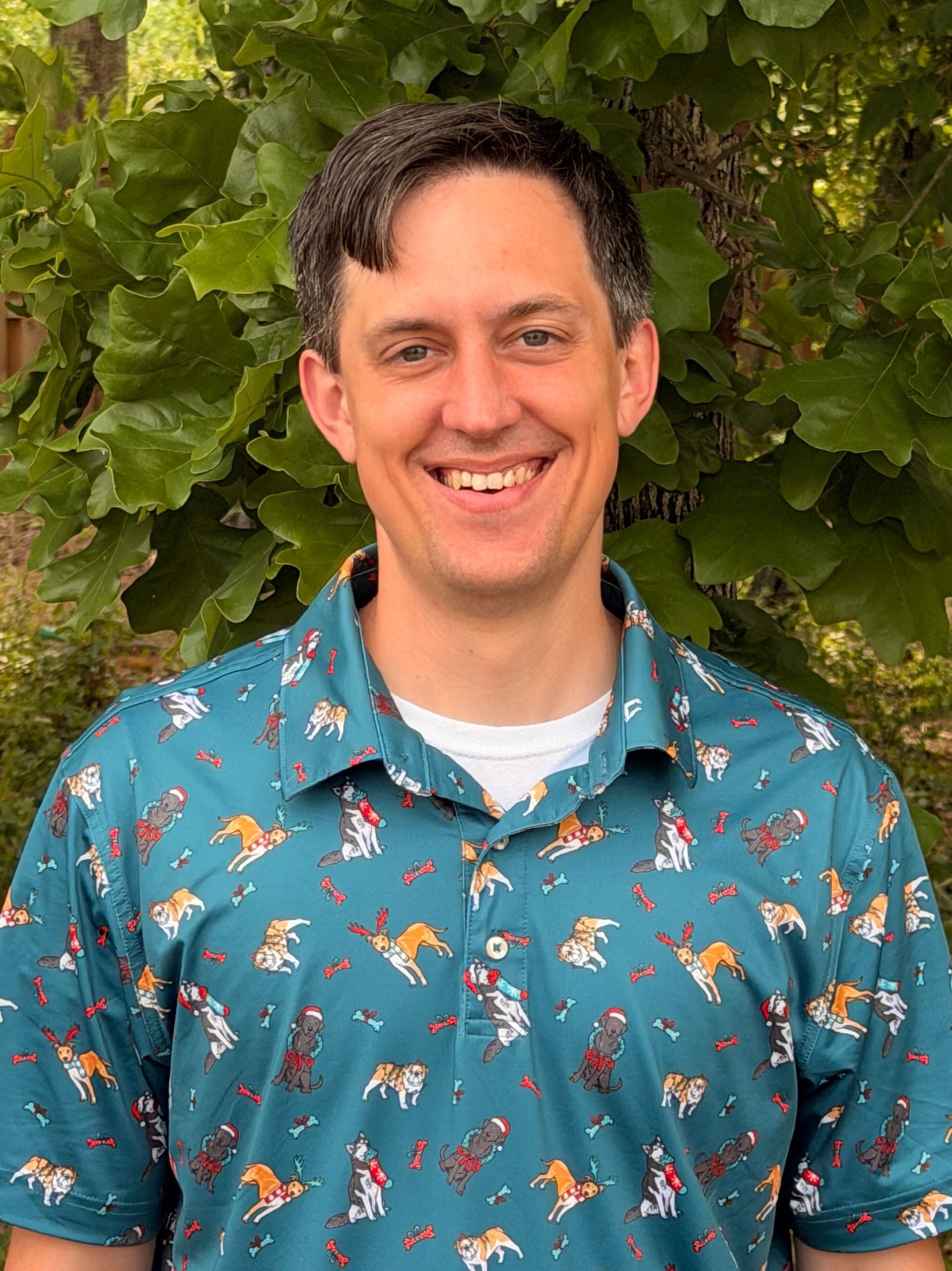
Burns Newsome
Founder & Plant Health Care Specialist
Licensed Applicator | B.S. Biology + M.S. Genetics | Former Vanderbilt Research Team
I come from a research background. Before founding Arborwright Tree Care, I spent several years as part of a research team at Vanderbilt University Medical Center, where careful observation and methodical thinking defined the job. I hold two degrees in the biological sciences, and I apply that same research-first mindset to every tree I evaluate.
What drives my work is a deep passion for healthy ecological landscapes. I believe most struggling trees can be saved when the right diagnosis comes first. Removal is a last resort, not a default. Across North Augusta, Aiken, Augusta, and the rest of the CSRA, I help homeowners understand what’s actually happening with their trees, from crape myrtle bark scale to root stress to storm damage, and build treatment plans backed by evidence instead of guesswork.
When I’m not in the field, I’m on my own land with my two boys: catching critters, fishing, and managing the property to support the greatest diversity of life it can hold. That’s how this business started. At some point, working within the constraints of my own backyard wasn’t enough. I wanted to care for the landscape around me in a meaningful way, and help the people in my community do the same. Arborwright is how I do that.
Thomas Wilson
ISA Certified Arborist®
ISA Certified Arborist® | ISA Member | 13 Years of Field Experience
I came up in tree work in Tennessee, where I spent years climbing, pruning, and learning how trees actually behave under load and stress. There is no shortcut for that kind of time in the canopy. When I moved to the CSRA, I brought that hands-on foundation with me and adapted it to a new set of species, the region’s soils, and a much longer growing season.
Earning my ISA Certified Arborist® credential held that field experience to a documented, tested standard. My focus is structure and risk: how a tree is built, where it is weak, and what it is likely to do in the next storm. I would rather find a failure point on a calm afternoon than after a limb is already down on someone’s roof.
What I value most is the work that keeps a mature tree standing. A large, established tree takes decades to replace, and most of the ones I assess can be kept healthy and sound when someone reads them early and acts on what they find. That is the part of this job I care about, and it is why I am glad to do it here in the CSRA.
Invasive plant removal pricing
The on-site assessment is free. Invasive removal is typically priced by the size and severity of the infestation and ranges from $X to $Y, often including the follow-up pass.
- Size of the infested area
- Species and how established it is
- Cutting and clearing required
- Type of herbicide treatment
- Follow-up passes needed
- Access and terrain
Free assessment includes
Your free assessment includes identification of the invasive species, a look at how far it has spread and what it is threatening, and a clear plan with itemized pricing including the follow-up. Burns walks the property with you, with no obligation and no pressure.
Frequently asked questions
Everything property owners ask before scheduling invasive plant removal.
The on-site assessment is free, and removal is priced by the size and severity of the infestation. Cost depends on how large the area is, the species and how established it is, the cutting involved, and the herbicide treatment, and usually includes a follow-up pass. Arborwright assesses the site first and gives an itemized plan, since a half-acre of privet and a single ivy-covered tree are very different jobs.
You can cut them, but cutting alone usually makes them worse. Plants like privet, kudzu, and tree of heaven store energy in their roots and respond to cutting by pushing out many new shoots, leaving a denser thicket the next year. Lasting control requires treating the roots with a targeted herbicide, applied correctly and at the right time of year.
The most common in the region are Chinese privet, kudzu, English ivy, Chinese and Japanese wisteria, Bradford or Callery pear, nandina, mimosa, and tree of heaven. Many were sold as landscape plants and spread into the wild. Correct identification matters, because each species responds to a different removal and treatment method.
Yes. Bradford and other Callery pears were planted widely as ornamentals, but they cross-pollinate and spread aggressively into fields and roadsides, crowding out natives and forming thorny thickets. Several states have moved to ban their sale. Removing them, stump and all, and replacing them with a native tree is the recommended fix.
Applied correctly, yes. Targeted methods like cut-stump and basal treatment put the herbicide directly on the invasive plant, not broadcast across the area, so the native trees and plants around it are protected. A Licensed Applicator selects the product and rate and follows the label, which is what separates professional control from a sprayer full of guesswork.
An arborist identifies the species and maps the infestation, then the invasive growth is cut and cleared and the stumps or stems are treated with a targeted herbicide so the roots die. Climbing vines are cut off trees first to stop the damage. A follow-up pass handles resprouts, and the cleared area can then be replanted with natives.
A single pass rarely eliminates an established invasive completely, which is why follow-up is part of the plan rather than an afterthought. Treated correctly, the bulk of an infestation is knocked down the first season, with a follow-up catching resprouts and missed roots. Ongoing monitoring keeps a property from being re-invaded from neighboring land.
Many crews will cut brush and call it done, which guarantees you will fight it again. Arborwright cuts and treats the roots so the plant actually dies, and protects the natives around it. Burns Newsome is a Licensed Applicator with two degrees in the biological sciences who built the company around restoring healthy, diverse landscapes, not just clearing them.
Yes. English ivy climbing a tree adds weight, holds moisture against the bark, hides defects, and eventually weakens and can topple the tree, while spreading across the ground and shading out everything beneath it. The fix is to cut the vines off the trunk to kill the climbing growth, then treat and clear the ground cover so it does not return.
Once an area is cleared and the invasives are controlled, it is ready to recover. In many spots the native seed bank comes back on its own, and where you want faster results, the area can be replanted with native trees and shrubs that hold the ground and support local wildlife. Restoring what belongs there is the point of the work.
Trusted by homeowners across the CSRA
Real reviews from real customers across North Augusta, Augusta, Aiken, and the CSRA. Want to be one of them? Schedule your free inspection.
Invasive plant removal near you
Arborwright manages invasive plants across North Augusta and Aiken, into Augusta, Evans, Martinez, and Grovetown, and the wider CSRA including Edgefield, Columbia County, and Aiken County. Find your area below.
North Augusta, SC
Hammond’s Ferry, Riverview Park, downtown North Augusta. Our home base.
Augusta, GA
West Augusta, Summerville, National Hills, Forest Hills, downtown.
Aiken, SC
Downtown Aiken, Houndslake, Woodside, Hitchcock Woods area.
Evans, GA
Riverwood Plantation, Evans to Locks, Kiokee.
Photo Credits
James H. Miller, USDA Forest Service, Bugwood.org (Ctallow)
Karan A. Rawlins, University of Georgia, Bugwood.org (Cprivet)
Leslie J. Mehrhoff, University of Connecticut, Bugwood.org (Bradford)