Plant Health Care Specialists
Expert Shrub Disease & Pest Treatment in North Augusta, SC
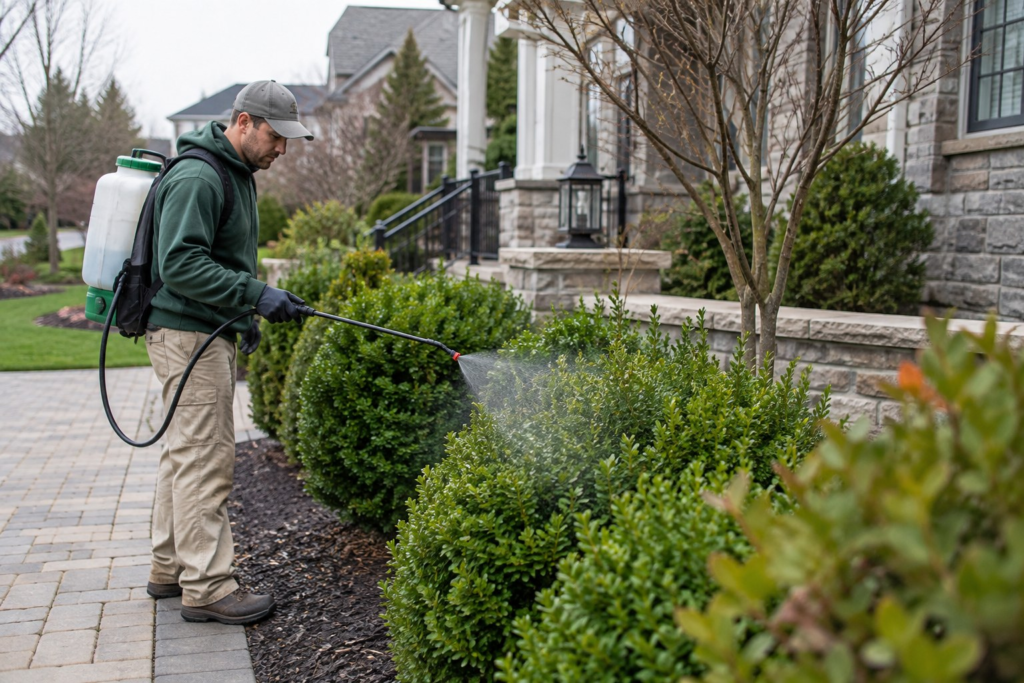
Arborwright Tree Care provides targeted shrub disease and pest treatment services across North Augusta, helping property owners address leaf damage, discoloration, dieback, and insect activity before problems spread. Careful inspections, practical treatment plans, and site-specific recommendations support healthier foundation plantings, privacy hedges, and ornamental shrubs in residential and commercial landscapes.
- Licensed Applicator
- Biology Degreed Team
- Pest & Disease Treatment
Get your FREE
Tree Inspection
We’ll call you within one business day to schedule your free on-site inspection. No obligation, no hard sell, no upsells you don’t need.
By submitting, you agree we may contact you by phone, text, or email about your request. Msg/data rates may apply. Reply STOP to unsubscribe. See our Privacy Policy.

Target problems early
Choose Arborwright Tree Care for Expert Shrub Disease & Pest Treatment in North Augusta, SC
- Closer Diagnosis Before Treatment: Arborwright Tree Care looks beyond surface symptoms like yellowing leaves or thinning branches to identify likely pest pressure, fungal issues, moisture stress, or site-related causes. That detail matters when shrubs appear damaged after a wet spell, yet the real issue may involve insects, airflow, or root stress working together.
- Property-Specific Care for Common Shrubs: Arborwright Tree Care adapts treatment recommendations to the setting, whether foundation shrubs near a home need careful monitoring or privacy hedges along a property line show scattered decline. This property-focused approach helps match timing, application areas, and follow-up steps to how the landscape is actually used every day.
- Reliable Service for Local Landscape Needs: Arborwright Tree Care provides organized inspections and practical next-step guidance for shrub issues that can quickly affect curb appeal in North Augusta, SC. Expert Shrub Disease & Pest Treatment in North Augusta, SC is especially helpful when spotted leaves, chewed growth, or patchy dieback begin showing up across multiple planting beds.


Healthy shrubs matter
Why Expert Shrub Disease & Pest Treatment in North Augusta, SC Protects Landscape Health
- Warm, Humid Conditions Increase Pressure: Heat, humidity, and seasonal rainfall can create favorable conditions for fungal issues and insect activity around shrubs. In North Augusta landscapes, problems often build gradually, making early attention important before leaf spotting, webbing, or branch dieback spreads through connected hedges and ornamental plantings.
- Visible Decline Affects Daily Living: Shrubs frame entryways, patios, walkways, and outdoor living areas, so declining plants can quickly make a maintained property look neglected. When discoloration or pest damage becomes obvious near front beds or backyard gathering spaces, treatment helps restore order and reduce ongoing stress about worsening plant health.
- Neighborhood Appearance Standards Matter: Well-kept shrubs contribute to the tidy, intentional look many homeowners want to maintain. Expert Shrub Disease & Pest Treatment in North Augusta, SC supports that goal by addressing issues before they turn into bare sections, uneven growth, or widespread damage that becomes harder to correct later.
Common Questions
Frequently asked questions
Everything homeowners ask about oak wilt and oak disease.
What signs around a front yard suggest Shrub Disease & Pest Treatment in North Augusta, SC may be needed soon?
Common warning signs include spotted leaves, sticky residue, chewed foliage, webbing, branch dieback, or uneven color across shrubs near walkways and entry beds. Arborwright Tree Care can inspect visible symptoms, consider site conditions, and recommend practical treatment options before damage spreads further.
Can Shrub Disease & Pest Treatment in North Augusta, SC help evergreen screening shrubs after a mild winter?
Yes, mild winters can allow certain pests and plant diseases to remain active longer, especially in dense evergreen screens with limited airflow. Arborwright Tree Care can evaluate screening shrubs, identify likely causes of decline, and outline treatment steps suited to the planting layout.
How quickly should property owners expect results after Shrub Disease & Pest Treatment in North Augusta, SC begins?
Results depend on the shrub species, severity of damage, and whether the issue involves insects, disease, or underlying stress conditions. Arborwright Tree Care can explain realistic timelines, what improvement looks like, and when follow-up monitoring may be appropriate for continued recovery.
Photo Credits
Ronald F. Billings, Texas A&M Forest Service, Bugwood.org
William M. Ciesla, Forest Health Management International, Bugwood.org
Fred Baker, Utah State University, Bugwood.org
Steven Katovich, Bugwood.org