Plant Health Care Specialists
Deep Root Fertilization in North Augusta, Augusta, and Aiken
Pale leaves, a sparse canopy, or a tree that has not put on real growth in years? Arborwright feeds trees at the roots where it counts, with a slow-release blend matched to your soil, not the lawn fertilizer that never reaches them. Free on-site assessment across North Augusta, Augusta, Aiken, and the rest of the CSRA.
- Biology Degreed Team
- Tree fertilization service
- Licensed Applicator
Get your FREE
Tree Inspection
We’ll call you within one business day to schedule your free on-site inspection. No obligation, no hard sell, no upsells you don’t need.
By submitting, you agree we may contact you by phone, text, or email about your request. Msg/data rates may apply. Reply STOP to unsubscribe. See our Privacy Policy.

What is deep root fertilization?
Deep root fertilization is the practice of injecting a slow-release nutrient blend directly into a tree’s root zone, several inches below the surface where the feeder roots actually take it up. Unlike lawn fertilizer spread on top, it reaches the roots through compacted soil and feeds the soil biology trees depend on, following the ANSI A300 soil management standard. Arborwright provides deep root fertilization across North Augusta, Augusta, Aiken, and the CSRA.
How do I know if my tree needs fertilizing?
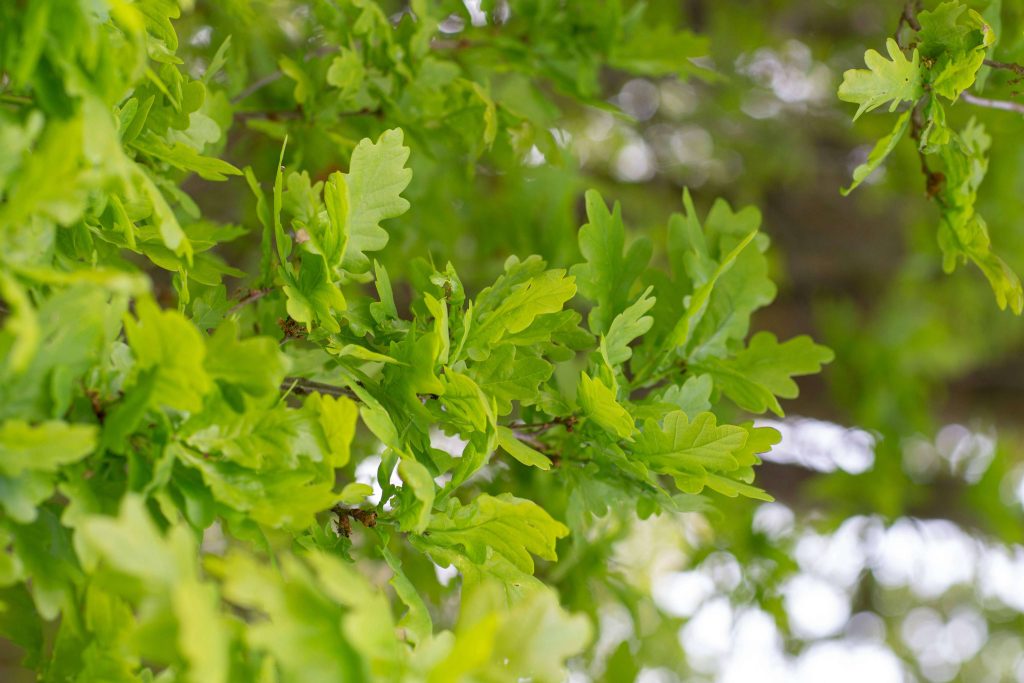
You are in the right place if your tree has pale or undersized leaves, a thinning canopy, or has barely grown in years. On CSRA properties this shows up most on trees growing in compacted clay or competing with turf, and on newly planted trees still trying to establish.
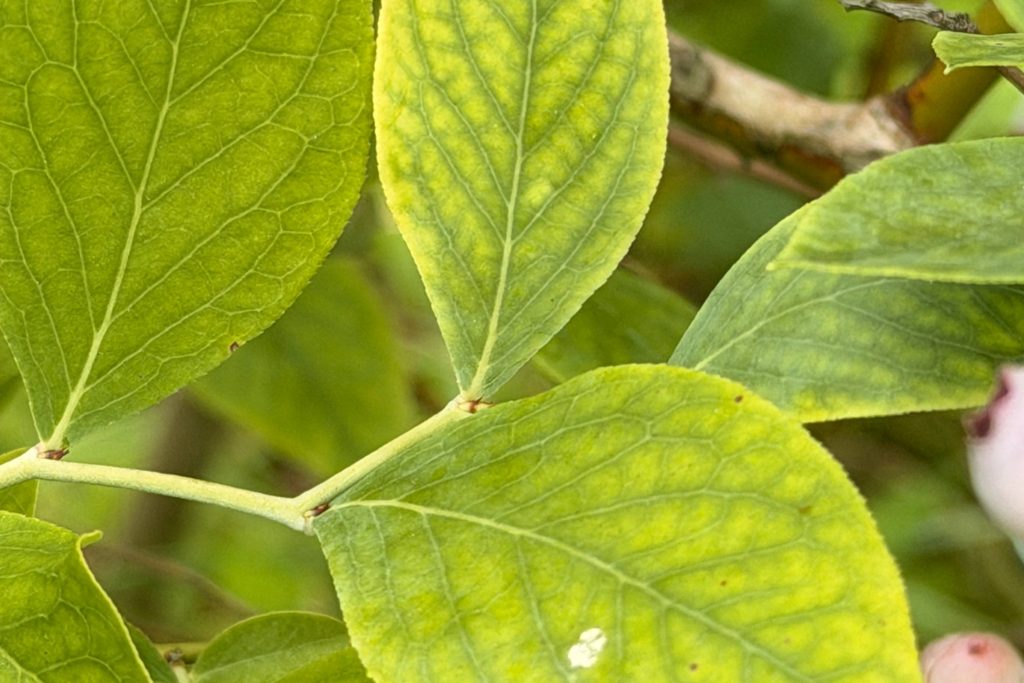
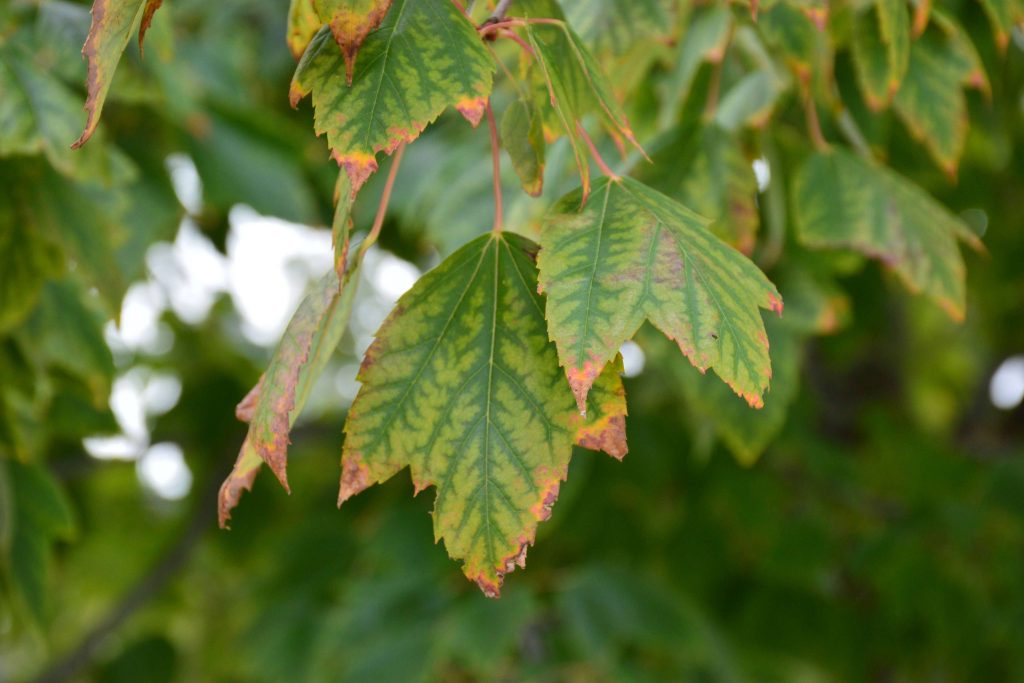
- Pale, yellowing, or undersized leaves
- Little new growth year to year
- Thin, sparse, or off-color canopy
- Early fall color or leaf drop
- Newly planted tree struggling to establish
- Tree growing in compacted or turf-heavy soil
Not sure if feeding is what your tree needs? Send us a photo for free input within 24 hours.
Why does fertilizing the lawn do nothing for your trees?
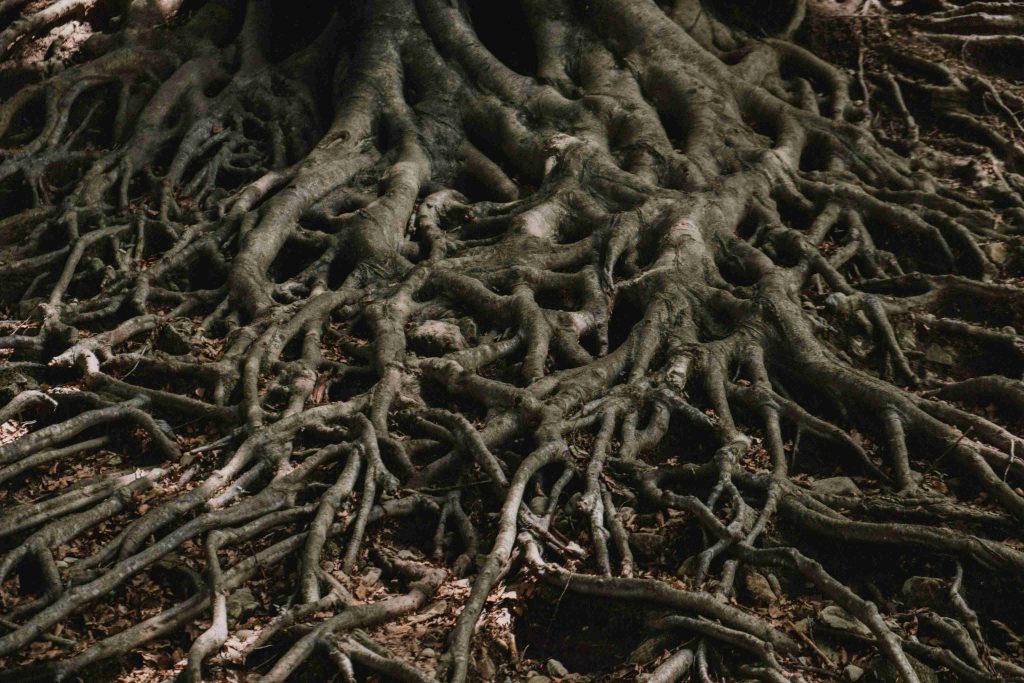
A tree’s feeder roots, the fine roots that actually take up water and nutrients, sit in the top several inches of soil and spread out well past the edge of the canopy. Lawn fertilizer broadcast on the surface mostly feeds the grass, which is closer to it and competing for the same nutrients. Depending on where you are in the CSRA, the problem compounds differently. In the Piedmont clay soils north of I-20, surface granules struggle to move down through compacted ground to where the tree roots are. In the sandy soils around Aiken, nutrients leach past the root zone before the tree can use them. Either way, the tree ends up living on whatever the grass leaves behind.
Healthy trees do not just need nutrients, they need living soil. Mycorrhizae, the beneficial fungi that partner with roots to extend their reach, and the organic matter that holds nutrients in place are both thin in compacted suburban soils. Lawn fertilizer makes this worse, because its high nitrogen pushes fast, weak top growth at the expense of roots. Deep root fertilization places a slow-release, balanced blend into the root zone and supports the soil biology, rather than force-feeding the canopy.
The honest part most companies skip is that not every tree needs feeding. A tree growing well in good soil often needs nothing, and feeding a tree that is actually suffering from compaction, poor drainage, or disease can push growth it cannot support and make things worse. Burns Newsome brings two degrees in the biological sciences to that judgment, and Arborwright assesses the tree and soil before recommending a feeding plan, following the ANSI A300 soil management standard. The goal is a tree that needs less help over time, not a standing fertilizer subscription.

How does Arborwright fertilize trees?
Step 01 · Assess the need
Feeding starts with a question, not a default. We assess the tree's growth, leaf color, and soil, and check whether the real issue is nutrition or something else like compaction or disease. If the tree does not need feeding, we tell you.
Step 02 · Match the blend
When feeding is warranted, we match a slow-release, balanced blend to what the tree and soil actually lack, often more about micronutrients and soil biology than raw nitrogen. Mycorrhizae and organic components support the living soil, not just the tree.
Step 03 · Inject the root zone
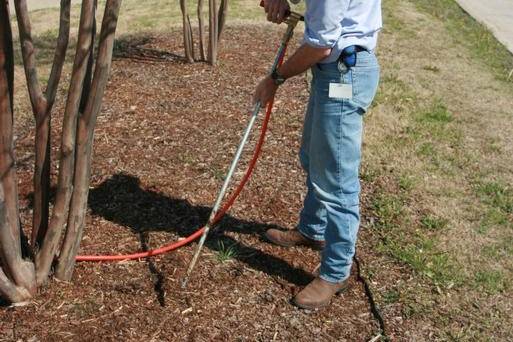
The blend is injected under pressure into the root zone, several inches deep and out across the feeder roots past the drip line, in a grid around the tree. This places nutrients where the roots take them up and gets them through compacted clay that surface feeding cannot reach.
Step 04 · Time and monitor
Feeding is timed to the season, usually fall or early spring, when roots take up and store nutrients best. We track the response over the next season and adjust, so the tree needs less intervention over time, not more.
What to expect from your tree feeding program
DAY 0
Assessment and first feeding
On-site assessment, including possible soil or foliar testing, then the first root-zone application when feeding is warranted and the season is right.
WEEK 4 TO 8
Root uptake
Roots take up the slow-release blend over the following weeks, with no dramatic overnight change by design.
NEXT SEASON
Visible response
Better leaf color, larger leaves, and stronger new growth show up over the next growing season.
YEAR 1 TO 2
Annual program
Feeding is repeated on a seasonal schedule only as long as the tree and soil still need it.
What feeding looks like
Deep root fertilization is a slow build, not a quick fix. Leaf color and density usually improve over the next growing season, and shoot growth picks up over one to two years as the root system and soil recover. A tree that responds well needs feeding less often over time, which is the point.
Why CSRA homeowners choose Arborwright


Diagnostic-first tree care
Most tree services start with “what do you want us to do?” We start with “what’s actually going on?” Arborwright is built around plant health care and diagnostic-first work, which means we look at your tree, identify what’s wrong, and tell you honestly what it needs. Sometimes that means treatment. Sometimes it means a pruning plan. Sometimes it means removal. We tell you which, with the evidence to back it up.
Our arborists know the CSRA’s soils, humid subtropical climate, and the tree species that thrive and struggle here. Local conditions matter. We show up prepared for them.
Science-based diagnostics
Every recommendation backed by plant pathology, soil science, and real evidence.
Honest recommendations
We tell you what your tree actually needs, even when it's less work for us.
The people behind arborwright
Real credentials. Real expertise. Real local knowledge.

Burns Newsome
Founder & Plant Health Care Specialist
Licensed Applicator | B.S. Biology + M.S. Genetics | Former Vanderbilt Research Team
I come from a research background. Before founding Arborwright Tree Care, I spent several years as part of a research team at Vanderbilt University Medical Center, where careful observation and methodical thinking defined the job. I hold two degrees in the biological sciences, and I apply that same research-first mindset to every tree I evaluate.
What drives my work is a deep passion for healthy ecological landscapes. I believe most struggling trees can be saved when the right diagnosis comes first. Removal is a last resort, not a default. Across North Augusta, Aiken, Augusta, and the rest of the CSRA, I help homeowners understand what’s actually happening with their trees, from crape myrtle bark scale to root stress to storm damage, and build treatment plans backed by evidence instead of guesswork.
When I’m not in the field, I’m on my own land with my two boys: catching critters, fishing, and managing the property to support the greatest diversity of life it can hold. That’s how this business started. At some point, working within the constraints of my own backyard wasn’t enough. I wanted to care for the landscape around me in a meaningful way, and help the people in my community do the same. Arborwright is how I do that.
Thomas Wilson
ISA Certified Arborist®
ISA Certified Arborist® | ISA Member | 13 Years of Field Experience
I came up in tree work in Tennessee, where I spent years climbing, pruning, and learning how trees actually behave under load and stress. There is no shortcut for that kind of time in the canopy. When I moved to the CSRA, I brought that hands-on foundation with me and adapted it to a new set of species, the region’s soils, and a much longer growing season.
Earning my ISA Certified Arborist® credential held that field experience to a documented, tested standard. My focus is structure and risk: how a tree is built, where it is weak, and what it is likely to do in the next storm. I would rather find a failure point on a calm afternoon than after a limb is already down on someone’s roof.
What I value most is the work that keeps a mature tree standing. A large, established tree takes decades to replace, and most of the ones I assess can be kept healthy and sound when someone reads them early and acts on what they find. That is the part of this job I care about, and it is why I am glad to do it here in the CSRA.

Deep root fertilization pricing
The on-site assessment is free. Deep root fertilization is typically priced per tree and ranges depending on the factors below.
- Tree size and root zone area
- Number of trees fed
- Soil condition and compaction
- Type of blend required
- Season and timing
- Single visit or annual program
Free assessment includes
Your free assessment includes an on-site structural evaluation, identification of deadwood and weak unions, and a written pruning plan with itemized scope and pricing. Burns answers your questions on site, with no obligation and no pressure.
Frequently asked questions
Everything homeowners ask before scheduling deep root fertilization.
The on-site assessment is free, and feeding is usually priced per tree. Cost depends on the tree’s size, the number of trees, soil condition, and whether it is a single visit or an annual program. Arborwright assesses whether the tree even needs feeding first, so you only pay for treatment the tree will actually use.
Deep root fertilization injects a slow-release nutrient blend into the soil where a tree’s feeder roots are, several inches below the surface. Regular lawn fertilizer sits on top, mostly feeds the grass, and rarely reaches tree roots through compacted clay. The deep root method places nutrients where roots take them up and supports the soil biology trees depend on.
Often not. A tree growing well in healthy soil usually needs nothing, and feeding a tree that is struggling from compaction, poor drainage, or disease can make things worse. Signs that feeding may help include pale leaves, little new growth, and a thinning canopy. An assessment determines whether nutrition is the real issue before anything is applied.
An arborist assesses the tree and soil, then injects a slow-release blend under pressure into the root zone, several inches deep and out across the feeder roots in a grid around the tree. The blend is matched to what the tree and soil lack. Feeding is timed to the season so roots take up and store the nutrients.
Deep root fertilization is a slow build by design, not an overnight change. Leaf color and density usually improve over the next growing season, and stronger shoot growth follows over one to two years as the roots and soil recover. A tree that responds well needs feeding less often over time.
Most companies sell fertilization rounds to every tree on the property. Arborwright feeds only the trees that need it, and says so when one does not. Burns Newsome brings two degrees in the biological sciences and a Licensed Applicator’s license, and Thomas Wilson is an ISA Certified Arborist® with 13 years of field experience. The goal is a tree that needs less help over time.
Fall and early spring are usually best, when roots actively take up and store nutrients and the tree is not spending everything on new leaves. Fall feeding in particular builds root reserves going into winter. The exact timing depends on the species and the tree’s condition, which is part of why an assessment comes before any application.
Usually no. Lawn fertilizer is formulated for grass, sits on the surface, and is taken up by the turf competing with the tree for the same nutrients. Its high nitrogen also pushes weak top growth on trees rather than roots. Trees do better with a slow-release blend placed down in their own root zone.
They can. The region’s clay-heavy soils compact easily, which limits root growth and locks up nutrients, and compacted soil also holds less of the living biology trees rely on. That said, compaction itself sometimes matters more than nutrients, which is why Arborwright assesses the soil rather than assuming every CSRA tree needs feeding.
Being present for the assessment helps so the plan is clear, but the application itself does not require you to be home if access to the trees is arranged in advance. Deep root injection is done in the soil around the tree, leaves no mess on the lawn, and the area is safe to use normally once the visit is finished.
Trusted by homeowners across the CSRA
Real reviews from real customers across North Augusta, Augusta, Aiken, and the CSRA. Want to be one of them? Schedule your free inspection.
Deep root fertilization near you
Arborwright Tree Care provides plant health care, tree services, and arborist consultations across North Augusta, Augusta, Aiken, Evans, Martinez, and the surrounding CSRA. Find your area below.
North Augusta, SC
Hammond’s Ferry, Riverview Park, downtown North Augusta. Our home base.
Augusta, GA
West Augusta, Summerville, National Hills, Forest Hills, downtown.
Aiken, SC
Downtown Aiken, Houndslake, Woodside, Hitchcock Woods area.
Evans, GA
Riverwood Plantation, Evans to Locks, Kiokee.
Photo Credits
Mengmeng Gu, Texas A&M AgriLife Extension Service, Bugwood.org