
Plant Health Care Specialists

Crepe Myrtle Bark Scale Treatment in North Augusta, Augusta, and Aiken

White spots crawling up your crepe myrtle’s bark? Black sooty mold dripping onto your patio furniture? Arborwright treats crepe myrtle bark scale (Acanthococcus lagerstroemiae) with a science-based protocol that targets the insect biology, not just the symptoms. Free on-site assessment across the CSRA.

Get your FREE

Tree Inspection

We’ll call you within one business day to schedule your free on-site inspection. No obligation, no hard sell, no upsells you don’t need.

By submitting, you agree we may contact you by phone, text, or email about your request. Msg/data rates may apply. Reply STOP to unsubscribe. See our Privacy Policy.

What is crepe myrtle bark scale?

Crepe myrtle bark scale (Acanthococcus lagerstroemiae) is an invasive insect that feeds on the sap of crepe myrtle trees, leaving behind white, waxy egg masses on bark and producing honeydew that causes black sooty mold. Without treatment, infestations reduce blooming, weaken trees over time, and spread rapidly to neighboring crepe myrtles throughout the CSRA.

Symptom identification

How do I know if my crepe myrtles have bark scale?

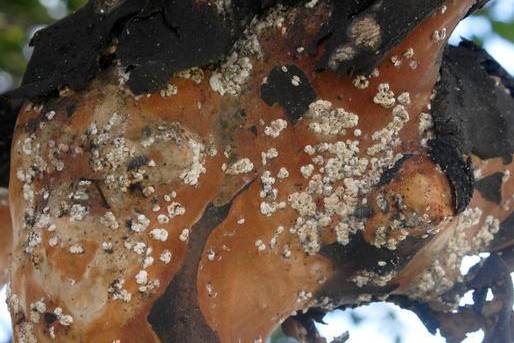
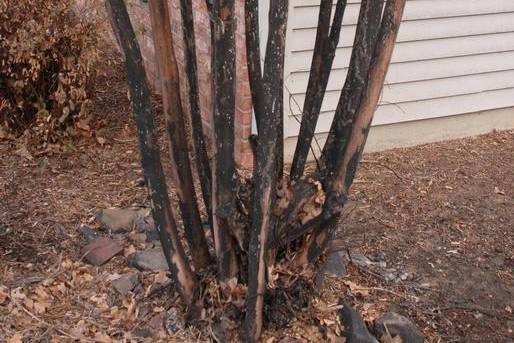
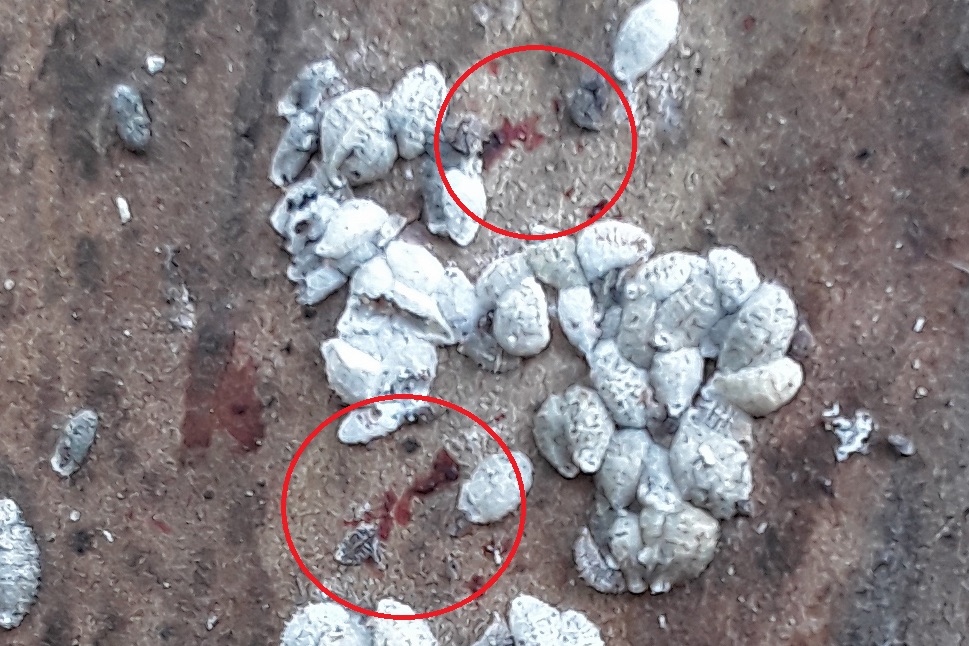
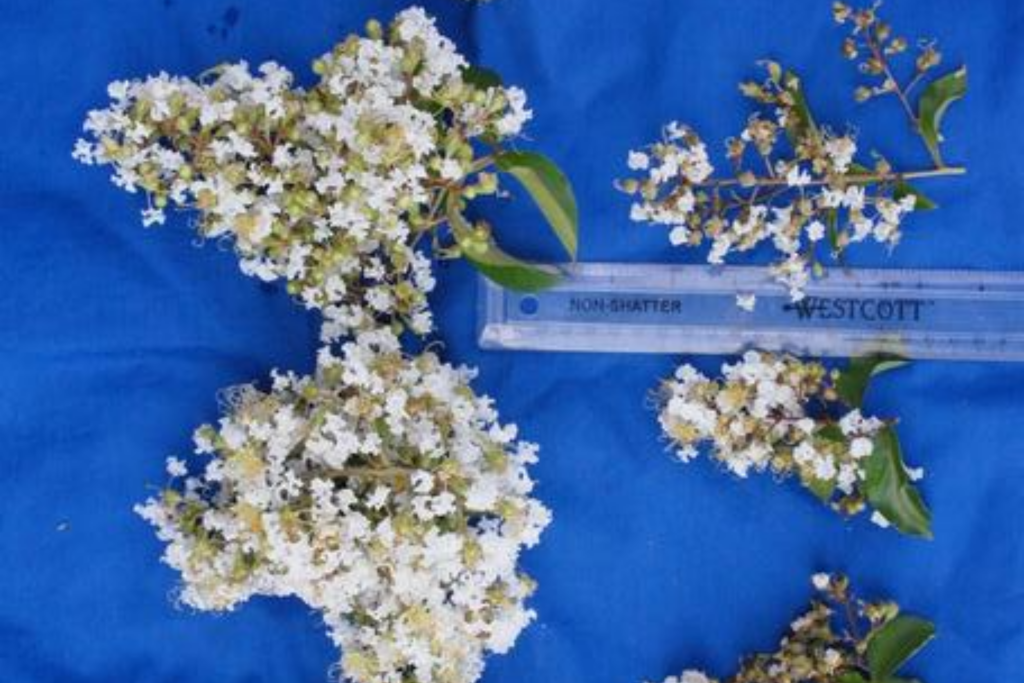
If your crape myrtles have white waxy patches on the trunk, black mold spreading down the bark, or noticeably weaker blooms this year, you are likely seeing crepe myrtle bark scale. The symptoms below are how it presents on most CSRA properties.

White waxy crepe myrtle bark scale colonies in branch crotches showing Acanthococcus lagerstroemiae infestation
White, waxy bark spots in branch crotches
Crepe myrtle trunk coated in black sooty mold from bark scale honeydew, a common CSRA symptom
Black sooty mold on trunk
Pink to reddish fluid from crushed crape myrtle bark scale confirming Acanthococcus lagerstroemiae
Reddish-pink crush test
Side-by-side comparison of uninfected crepe myrtle blooms next to reduced blooms from bark scale infestation
Reduced or smaller blooms

Not sure if this is what you are seeing? Send us a photo for free identification within 24 hours.

ISA Certified Arborist logo — Thomas Wilson, Certification ID SO-319387A, On Staff at Arborwright Tree Care

ISA Certified Arborist® On Staff

Thomas Wilson
Certification number: SO-319387A

Biology-Degreed Team

Burns Newsome
B.S. Biology + M.S. Genetics

ISA Member logo — Thomas Wilson, International Society of Arboriculture, On Staff at Arborwright Tree Care

ISA Member On Staff

Thomas Wilson
International Society of Arboriculture

SC Licensed Applicator

Burns Newsome
SC Dept. of Pesticide Regulation

The science

Why does crepe myrtle bark scale spread so fast in the CSRA?

CMBS (Acanthococcus lagerstroemiae) reproduces three generations per year in the CSRA’s humid subtropical climate. Each adult female produces up to 250 eggs hidden under her white waxy covering on the bark. Those egg masses are what most homeowners notice first.

As the scale feeds on phloem sap, it excretes honeydew that coats the bark below. Sooty mold fungi colonize the honeydew, blocking sunlight from reaching photosynthetic tissue and stressing the tree further. The mold itself does not infect the tree, but the underlying sap loss does.

Pruning out infested branches will not stop it. The reproductive cycle has already moved into bark fissures and the root flare. Effective treatment requires a systemic approach that targets the lifecycle stage when the insect is most vulnerable, not the visible symptoms.

"Most homeowners try to scrub off the white spots or prune out affected branches. That doesn't work because the reproductive cycle has already moved into the bark fissures. You have to treat the biology, not the symptom."

Burns Newsome, Licensed Applicator and biology-degreed founder of Arborwright Tree Care, explaining crepe myrtle bark scale treatment in the CSRA
Burns Newsome
Licensed Applicator · B.S. Biology · M.S. Genetics
Treatment protocol

How does Arborwright treat crepe myrtle bark scale?

Step 01 · Diagnose

On-site assessment confirms scale species and severity. Tom or Burns inspects bark, samples egg masses, identifies adjacent at-risk trees.

Step 02 · Systemic treatment

Targeted systemic treatment timed to the crawler stage when scale is most vulnerable. We do not blanket-spray, we time the application.

Step 03 · Soil drench or injection

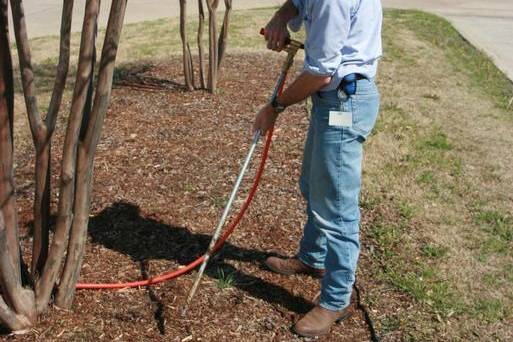
Soil drench at the root flare reaches the lifecycle stages surface sprays cannot. The systemic moves through the vascular system to feeding sites.

Step 04 · Monitor

Follow-up inspection at 4 to 6 weeks confirms efficacy. Annual protective treatment prevents reinfestation from neighboring properties.

Treatment timeline

What to expect from your CMBS treatment program

DAY 0

Assessment + treat

On-site diagnosis followed by initial systemic application.
Licensed Applicator performing systemic soil drench at the root zone of a crepe myrtle for bark scale treatment

WEEK 4 TO 6

Follow-up inspection

Inspection confirms efficacy and identifies any remaining hot spots.

SEASON CHANGE

Protective treat

Preventive application timed to the next emergence window.
Arborwright arborist inspecting crepe myrtle bark four to six weeks after scale treatment in North Augusta SC
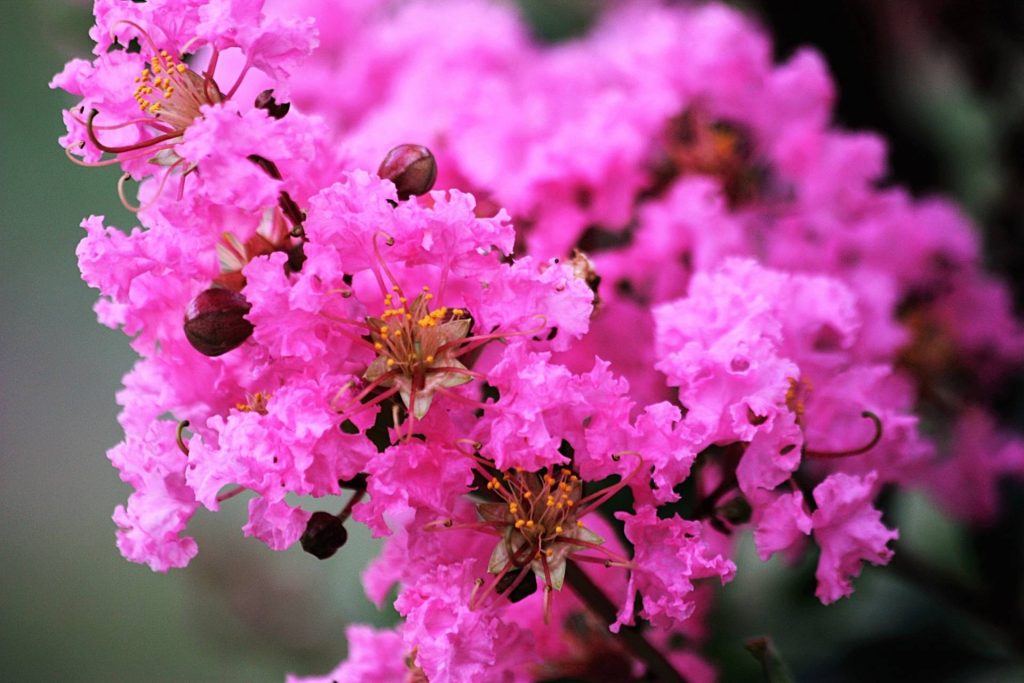
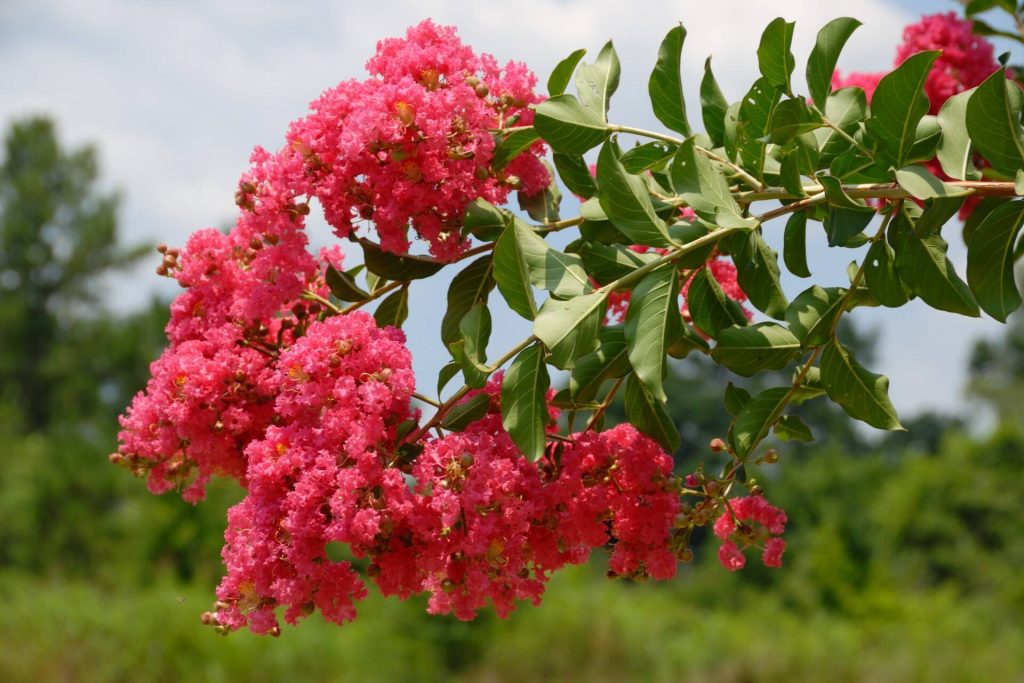
Healthy pink crepe myrtle blooms following successful bark scale treatment in the CSRA

YEAR 2 AND ON

Annual monitor

Yearly inspection and protective treatment to prevent reinfestation.

Results timeline

Waxy bark spots fade in 4 to 8 weeks. Sooty mold weathers off naturally over 3 to 6 months as new bark grows. Full bloom recovery typically by next season. 
Plant Health Care Specialists

Why CSRA homeowners choose Arborwright

Arborwright Tree Care Icon — tree care and plant health care in North Augusta SC

Diagnostic-first tree care

Most tree services start with “what do you want us to do?” We start with “what’s actually going on?” Arborwright is built around plant health care and diagnostic-first work, which means we look at your tree, identify what’s wrong, and tell you honestly what it needs. Sometimes that means treatment. Sometimes it means a pruning plan. Sometimes it means removal. We tell you which, with the evidence to back it up.

Our arborists know the CSRA’s clay-heavy soils, humid subtropical climate, and the tree species that thrive and struggle here. Local conditions matter. We show up prepared for them.

Science-based diagnostics

Every recommendation backed by plant pathology, soil science, and real evidence.

Honest recommendations

We tell you what your tree actually needs, even when it's less work for us. No upsells.

Meet The Team

The people behind Arborwright

Real credentials. Real expertise. Real local knowledge.

Burns, Founder and Plant Health Care Specialist at Arborwright Tree Care, serving North Augusta, Aiken, and the CSRA

Burns Newsome

Founder & Plant Health Care Specialist

Licensed Applicator | B.S. Biology + M.S. Genetics | Former Vanderbilt Research Team

I come from a research background. Before founding Arborwright Tree Care, I spent several years as part of a research team at Vanderbilt University Medical Center, where careful observation and methodical thinking defined the job. I hold two degrees in the biological sciences, and I apply that same research-first mindset to every tree I evaluate.

What drives my work is a deep passion for healthy ecological landscapes. I believe most struggling trees can be saved when the right diagnosis comes first. Removal is a last resort, not a default. Across North Augusta, Aiken, Augusta, and the rest of the CSRA, I help homeowners understand what’s actually happening with their trees, from crape myrtle bark scale to root stress to storm damage, and build treatment plans backed by evidence instead of guesswork.

When I’m not in the field, I’m on my own land with my two boys: catching critters, fishing, and managing the property to support the greatest diversity of life it can hold. That’s how this business started. At some point, working within the constraints of my own backyard wasn’t enough. I wanted to care for the landscape around me in a meaningful way, and help the people in my community do the same. Arborwright is how I do that.

Thomas Wilson

ISA Certified Arborist®

ISA Certified Arborist® | ISA Member | 13 Years of Field Experience

I came up in tree work in Tennessee, where I spent years climbing, pruning, and learning how trees actually behave under load and stress. There is no shortcut for that kind of time in the canopy. When I moved to the CSRA, I brought that hands-on foundation with me and adapted it to a new set of species, the region’s clay-heavy soils, and a much longer growing season.

Earning my ISA Certified Arborist® credential held that field experience to a documented, tested standard. My focus is structure and risk: how a tree is built, where it is weak, and what it is likely to do in the next storm. I would rather find a failure point on a calm afternoon than after a limb is already down on someone’s roof.

What I value most is the work that keeps a mature tree standing. A large, established tree takes decades to replace, and most of the ones I assess can be kept healthy and sound when someone reads them early and acts on what they find. That is the part of this job I care about, and it is why I am glad to do it here in the CSRA.

Thomas Wilson, ISA Certified Arborist at Arborwright Tree Care in North Augusta, SC
Investment

Crepe myrtle bark scale treatment pricing

Treatment plans for crepe myrtle bark scale in the CSRA typically range from $X to $Y per visit, depending on the factors below.

Free assessment includes

On-site diagnosis, severity rating, written treatment plan with itemized pricing, identification of adjacent at-risk trees, and answers to your questions. No obligation.

Common Questions

Frequently asked questions

Everything homeowners ask before scheduling Crepe Myrtle Bark Scale treatment.

Crepe Myrtle Bark Scale treatment in the CSRA typically ranges from $150 to $450 per tree, depending on tree size, infestation severity, and the number of trees treated together. Arborwright provides free property inspections in Aiken, North Augusta, Augusta, Evans, and surrounding CSRA areas, with no-pressure pricing presented in writing before any work begins. Multi-tree properties qualify for volume pricing, and seasonal scheduling during the optimal late-winter treatment window often reduces overall cost. Burns, our Licensed Applicator, builds each estimate around the specific protocol your trees need, so you only pay for what your property actually requires.

Yes, when applied correctly. Arborwright uses targeted soil injection rather than broadcast spraying, which delivers the active ingredient directly into the tree’s vascular system without exposing surrounding plants, lawn areas, or open air. The treatment is fully absorbed within 24 hours and poses no risk to pets, children, or pollinators after that window. Crepe myrtles bloom after most native pollinator activity peaks, which further reduces bee and butterfly exposure. Burns holds a South Carolina Licensed Applicator credential and follows label-mandated safety protocols on every application. We will walk you through specific safety details during your free property inspection.

The optimal treatment window for Crepe Myrtle Bark Scale in South Carolina runs from late January through early April, before bud break. Soil-applied systemic insecticides need 4 to 6 weeks to move through the tree’s vascular system before the scale insects emerge from winter dormancy. Treating during this window means the protection is in place when the pests become active. Arborwright also treats during the growing season for properties with active infestations, though results may take longer to appear. Burns can confirm the right timing for your specific trees during a free inspection in Aiken, North Augusta, or anywhere in the CSRA.

A typical Crepe Myrtle Bark Scale treatment visit takes 30 to 45 minutes per tree and follows a clear five-step process. First, Burns or Tom walks your property to confirm the diagnosis and identify any secondary stress factors. Next, we measure each tree’s trunk diameter to calculate the correct dose. Third, we drench the root flare area with a systemic insecticide diluted to label specifications. Fourth, we document the treatment date, dose, and tree location for follow-up. Finally, we walk you through what to expect over the next 30, 60, and 90 days. You do not need to be home during the visit if access is arranged in advance.

You will see three clear signs the treatment worked. First, the black sooty mold on the bark will gradually fade and flake off as new growth emerges, typically over 60 to 90 days. Second, the white waxy scale colonies on the bark will dry out and become brittle, indicating the insects have been killed. Third, your crepe myrtles will produce healthier foliage and stronger blooms during the following summer. Arborwright returns to your property at 30, 60, and 90 days post-treatment to document progress and confirm results. If signs of recovery are not visible by 90 days, we will reapply at no additional cost.

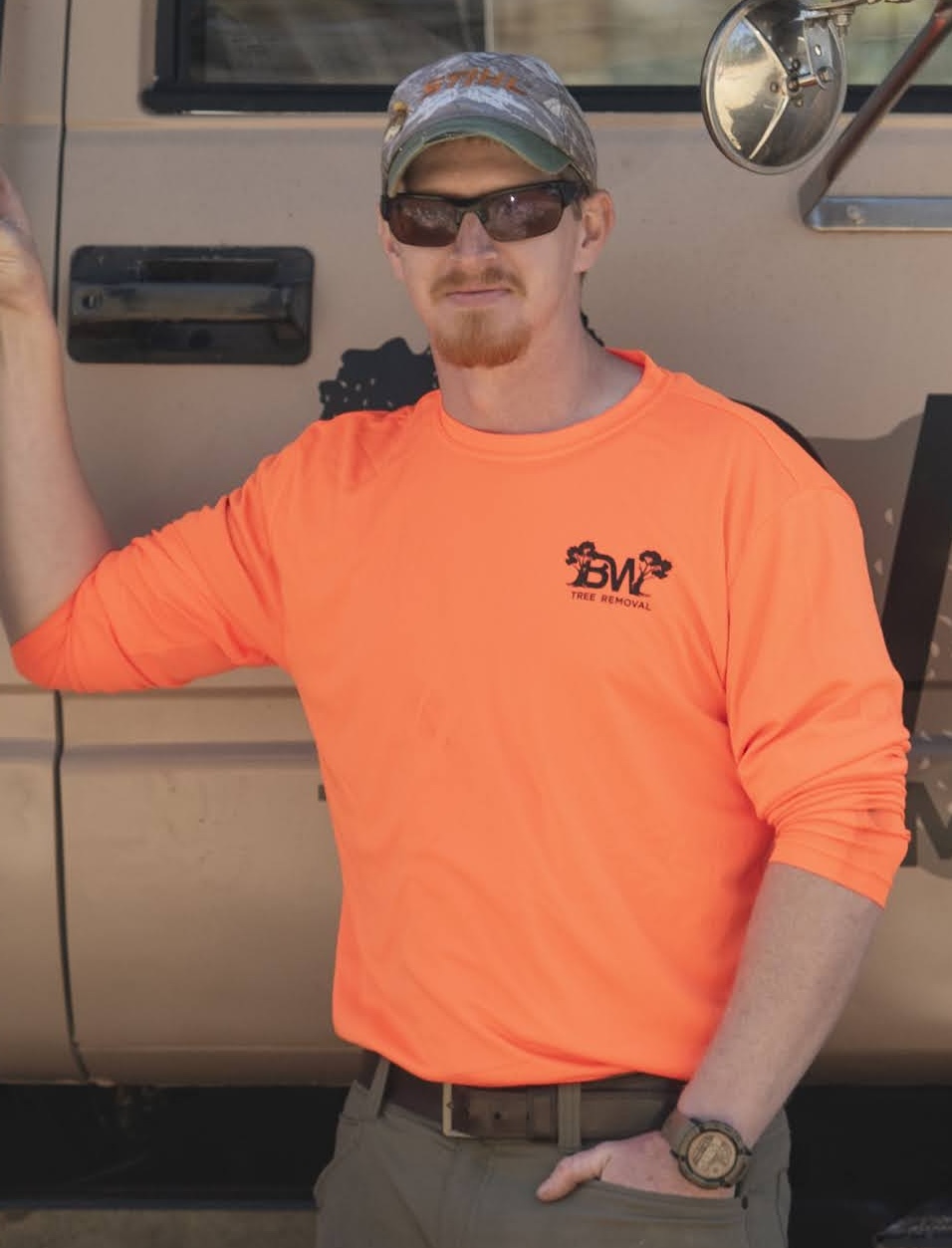
Arborwright is the only plant health care company in the CSRA built around a credentialed scientific team. Burns holds two degrees in biological sciences with a former research background at Vanderbilt, plus a South Carolina Licensed Applicator credential. Tom is an ISA Certified Arborist with over 10 years of tree service experience. Most local competitors offer tree removal with occasional treatment add-ons, while Arborwright is dedicated entirely to keeping trees healthy through diagnostic-driven, science-based protocols. We do not upsell removals when treatment will save the tree. For removal work, we partner with our sister company BW Tree Removal.

DIY methods like dormant oil sprays or hand-scrubbing infected bark provide only temporary surface control and rarely eliminate the underlying infestation. Professional treatment uses systemic insecticides that move through the tree’s vascular system to reach scale insects feeding deep in the bark, where contact sprays cannot reach. Arborwright’s protocol also includes accurate dose calculation based on trunk diameter, which DIY products rarely specify correctly. Underdosing fails to kill the pests; overdosing risks tree damage. Burns calibrates each application to your specific trees. Most homeowners who try DIY methods for two seasons end up calling us for a permanent solution.

Crepe Myrtle Bark Scale (Acanthococcus lagerstroemiae) is a host-specific pest that primarily targets crepe myrtles, though it has been found on a few related species like American beautyberry and pomegranate. Your oaks, maples, dogwoods, and most landscape shrubs are not at risk. However, untreated crepe myrtles will spread the scale to neighboring crepe myrtles on your property and to your neighbors’ trees through wind, birds, and insect activity. Early treatment protects your entire crepe myrtle population and is the neighborly choice. Arborwright services neighborhoods throughout Aiken, North Augusta, Augusta, and Evans where bark scale spreads quickly between yards.

Yes. Crepe Myrtle Bark Scale treatment is highly effective in CSRA climate and soil conditions when applied during the late-winter window. The Aiken and North Augusta region’s mild winters and sandy-loam soils actually favor systemic insecticide uptake compared to colder or heavier-clay regions. Burns adjusts each treatment based on local soil moisture, drainage, and tree species to maximize absorption. Arborwright has documented strong recovery rates on crepe myrtles treated across Aiken County, Edgefield County, and Columbia County in Georgia. Treatment effectiveness depends more on correct timing and dose calculation than on climate variability, both of which we control precisely.

No, you do not need to be home during the treatment visit as long as we have property access arranged in advance. Burns or Tom can complete the soil injection treatment without disrupting your day. We will text you when we arrive, send photo documentation of each treated tree, and leave a written summary in your preferred contact method. Many of our Aiken, North Augusta, and Augusta clients schedule treatments while at work. The treated area is safe for foot traffic and pets within 24 hours. We do recommend being available for the initial free inspection so we can answer questions in person.

Real reviews from real customers

Trusted by homeowners across the CSRA

Real reviews from real customers across North Augusta, Augusta, Aiken, and the CSRA. Want to be one of them? Schedule your free inspection.

Mary Client

Couldn't be happier with how my trees were treated with Arborwright Tree Care. I will be using them again!

Charlotte Client

My crepe myrtle with white bark scale. Arborwright diagnosed the tree, and had it on a treatment plan the next day.

Emma Client

Love working with their certified arborist. It was a pleasurable experience working with Arborwight Tree Care.

Service Area

Crepe myrtle bark scale treatment near you

Arborwright Tree Care provides plant health care, tree services, and arborist consultations across North Augusta, Augusta, Aiken, Evans, Martinez, and the surrounding CSRA. Find your area below.

Hammond’s Ferry, Riverview Park, downtown North Augusta. Our home base.

West Augusta, Summerville, National Hills, Forest Hills, downtown.

Downtown Aiken, Houndslake, Woodside, Hitchcock Woods area.

Riverwood Plantation, Evans to Locks, Kiokee.

Photo Credits

Soil injection treatment — Mengmeng Gu, Texas A&M AgriLife Extension Service, Bugwood.org.
White, waxy bark spots in branch crotches; black sooty mold on trunk; reddish-pink crush test — Jim Robbins, University of Arkansas Cooperative Extension Service, Bugwood.org.
Reddish-pink crush test Photo by Celeste Ray, iNaturalist, CC BY-NC 4.0
Healthy crepe myrtle bloom photographs — open access.