
Plant Health Care Specialists

Pre-Construction Tree Preservation in North Augusta, Aiken, and the CSRA

Building an addition, a pool, or a driveway near trees you want to keep, or a contractor who needs a tree protection plan for the permit? Most construction does not kill trees with a chainsaw, it kills them slowly through their roots and soil, and the damage often does not show for years. Arborwright writes the plan that keeps your trees alive through the build, serving North Augusta, Aiken, Augusta, Evans, Martinez, and the surrounding CSRA.

Get your FREE

Tree Inspection

We’ll call you within one business day to schedule your free on-site inspection. No obligation, no hard sell, no upsells you don’t need.

By submitting, you agree we may contact you by phone, text, or email about your request. Msg/data rates may apply. Reply STOP to unsubscribe. See our Privacy Policy.

What is a tree preservation plan?

A tree preservation plan is a written arborist plan that protects existing trees during construction, defining which trees to save, the protection zone around each one, and the specific measures, fencing, root pruning, and access limits, that keep them alive through the build. It is often required for a permit and is built to the ANSI A300 standard for tree protection during construction. Arborwright writes and oversees tree preservation plans across North Augusta, Aiken, and the CSRA.

BEFORE YOU BUILD

When do you need a tree preservation plan?
The time to protect a tree is before the equipment arrives, not after it leaves. You are in the right place if you are building near trees you want to keep, or if a municipality or permit requires a tree protection plan or detail before work can start.

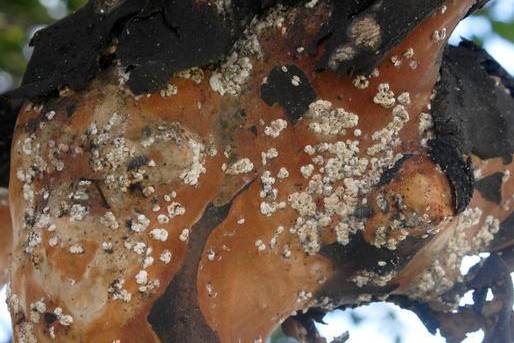
White waxy crepe myrtle bark scale colonies in branch crotches showing Acanthococcus lagerstroemiae infestation
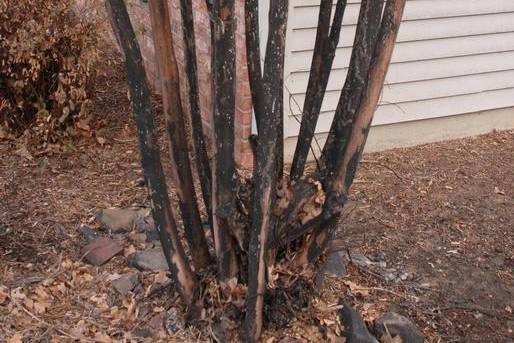
Crepe myrtle trunk coated in black sooty mold from bark scale honeydew, a common CSRA symptom
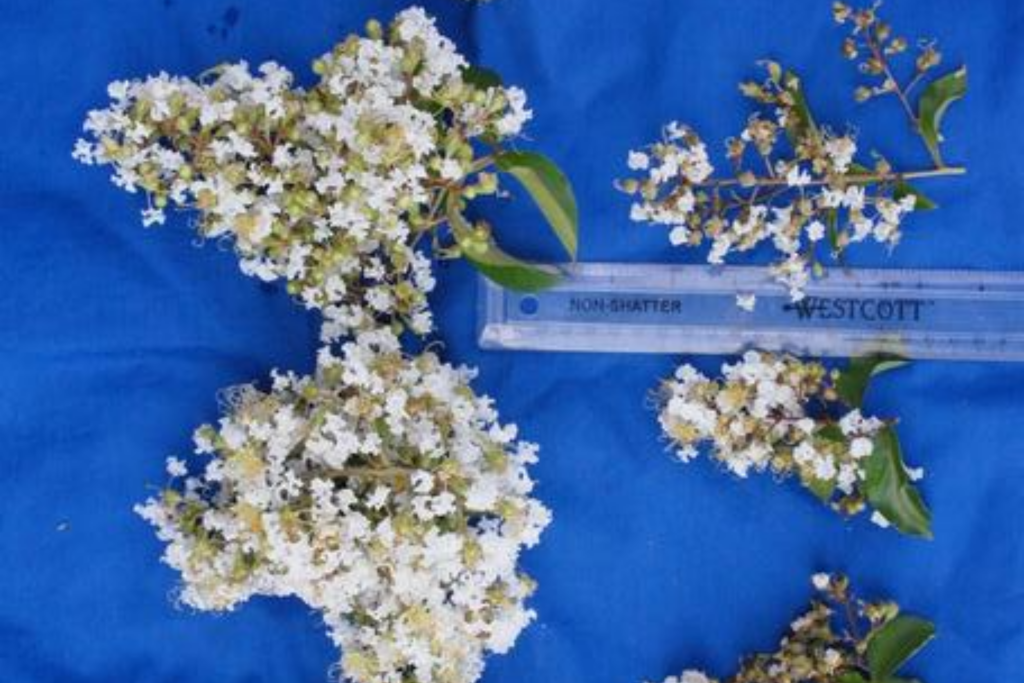
Side-by-side comparison of uninfected crepe myrtle blooms next to reduced blooms from bark scale infestation

Planning a project near your trees? Send us a photo and your site plan for free input within 24 hours.

The science

Why do trees die two years after the construction is finished?

When a tree dies after a building project, almost no one connects the two, because the tree looked fine when the crew packed up and did not decline until a year or two later. But construction is one of the most common killers of established trees, and it rarely happens above ground. The damage is done to the roots and the soil, out of sight, and a tree has enough stored energy to look healthy for a season or two while it is actually dying.

Three things do most of the killing. Heavy equipment drives over the root zone and compacts the soil into something roots cannot grow in or breathe through. Grading adds or strips soil over the roots, which either suffocates them or exposes them. And trenching for utilities or footings severs the major roots a tree depends on for water and stability, often on one side. The fix is to keep all of that out of the critical root zone, the area of soil a tree actually needs, which is what a tree protection plan defines and fences off before anyone breaks ground.

A real preservation plan is more than a fence on a drawing. It identifies which trees are worth saving and which are not, sets a protection zone sized to each tree, and specifies the details: where fencing goes, how to handle a root that must be cut, when to air spade instead of trench, and how to keep the soil alive. We write it to the ANSI A300 construction standard in a form a permit office will accept. Burns Newsome handles the root and soil science that keeps a protected tree healthy. Done right, the trees are still standing and healthy long after the project is done.

"The tree that construction kills does not fall on the bulldozer, it dies quietly two years later, and by then everyone has moved on. It is almost always the roots, compacted or cut or buried, and you cannot undo it after the fact. The whole game is keeping the equipment out of the root zone before the first load of dirt moves. Protect it up front, or pay for a dead tree later."

Burns Newsome, Licensed Applicator and biology-degreed founder of Arborwright Tree Care, explaining crepe myrtle bark scale treatment in the CSRA
Burns Newsome
Licensed Applicator · B.S. Biology · M.S. Genetics

HOW WE PROTECT

How does Arborwright protect trees during construction?

Step 01 · Assess and select

Before anything is drawn, we assess the trees on the site and decide honestly which are worth preserving and which are not. There is no point fencing off a tree that is already declining or sitting in the footprint of the build.

Step 02 · Define the protection zones

We set a tree protection zone around each tree worth saving, sized to its critical root zone, and map it against the site plan so everyone knows where equipment, grading, and storage cannot go.

Step 03 · Write the plan

We write the tree preservation plan and protection detail to the ANSI A300 standard, in the form a permit office expects: fencing specs, root pruning and air spading where utilities must cross, soil and mulch measures, and clear no-go zones for the crew.

Step 04 · Monitor the build

A plan only works if it is followed. We can monitor the site through construction, handle root pruning correctly when a conflict is unavoidable, and step in before a mistake becomes a dead tree two years later.

WHAT TO EXPECT

What to expect from a tree preservation plan

BEFORE THE BUILD

Plan and fence

We assess the trees, write the plan, and the protection zones are fenced off before any equipment arrives on site.

DURING THE BUILD

Monitoring

The site is checked against the plan, and root pruning or air spading is handled correctly whenever a conflict cannot be avoided.

AFTER THE BUILD

Recovery care

Fencing comes down and protected trees get any recovery care they need, since even a well-run project is a stressful season for a tree.

YEAR 1 TO 3

Health check

We monitor the preserved trees over the following seasons, the window when construction stress would otherwise show, to confirm they came through it.

What the plan protects

Trees that are still alive and healthy years after the project, instead of a slow decline nobody saw coming. A preservation plan also protects you: it satisfies the permit, documents that the trees were cared for, and avoids the far larger cost of removing and replacing a mature tree that construction killed. The protection is only as good as the plan being followed, which is why monitoring matters.

Plant Health Care Specialists

Why CSRA homeowners choose Arborwright

Arborwright Tree Care Icon — tree care and plant health care in North Augusta SC

Diagnostic-first tree care

Most tree services start with “what do you want us to do?” We start with “what’s actually going on?” Arborwright is built around plant health care and diagnostic-first work, which means we look at your tree, identify what’s wrong, and tell you honestly what it needs. Sometimes that means treatment. Sometimes it means a pruning plan. Sometimes it means removal. We tell you which, with the evidence to back it up.

Our arborists know the CSRA’s soils, humid subtropical climate, and the tree species that thrive and struggle here. Local conditions matter. We show up prepared for them.

Science-based diagnostics

Every recommendation backed by plant pathology, soil science, and real evidence.

Honest recommendations

We tell you what your tree actually needs, even when it's less work for us.

Meet The Team

The people behind arborwright

Real credentials. Real expertise. Real local knowledge.

Burns, Founder and Plant Health Care Specialist at Arborwright Tree Care, serving North Augusta, Aiken, and the CSRA

Burns Newsome

Founder & Plant Health Care Specialist

Licensed Applicator | B.S. Biology + M.S. Genetics | Former Vanderbilt Research Team

I come from a research background. Before founding Arborwright Tree Care, I spent several years as part of a research team at Vanderbilt University Medical Center, where careful observation and methodical thinking defined the job. I hold two degrees in the biological sciences, and I apply that same research-first mindset to every tree I evaluate.

What drives my work is a deep passion for healthy ecological landscapes. I believe most struggling trees can be saved when the right diagnosis comes first. Removal is a last resort, not a default. Across North Augusta, Aiken, Augusta, and the rest of the CSRA, I help homeowners understand what’s actually happening with their trees, from crape myrtle bark scale to root stress to storm damage, and build treatment plans backed by evidence instead of guesswork.

When I’m not in the field, I’m on my own land with my two boys: catching critters, fishing, and managing the property to support the greatest diversity of life it can hold. That’s how this business started. At some point, working within the constraints of my own backyard wasn’t enough. I wanted to care for the landscape around me in a meaningful way, and help the people in my community do the same. Arborwright is how I do that.

Thomas Wilson

ISA Certified Arborist®

ISA Certified Arborist® | ISA Member | 13 Years of Field Experience

I came up in tree work in Tennessee, where I spent years climbing, pruning, and learning how trees actually behave under load and stress. There is no shortcut for that kind of time in the canopy. When I moved to the CSRA, I brought that hands-on foundation with me and adapted it to a new set of species, the region’s soils, and a much longer growing season.

Earning my ISA Certified Arborist® credential held that field experience to a documented, tested standard. My focus is structure and risk: how a tree is built, where it is weak, and what it is likely to do in the next storm. I would rather find a failure point on a calm afternoon than after a limb is already down on someone’s roof.

What I value most is the work that keeps a mature tree standing. A large, established tree takes decades to replace, and most of the ones I assess can be kept healthy and sound when someone reads them early and acts on what they find. That is the part of this job I care about, and it is why I am glad to do it here in the CSRA.

Thomas Wilson, ISA Certified Arborist at Arborwright Tree Care in North Augusta, SC
Investment

Tree preservation plan pricing

The initial site visit is free. A written tree preservation plan is priced by the project, typically ranging based on the factors below, with on-site protection and monitoring scoped from there.

Your preservation plan includes

Your preservation plan includes an assessment of the trees, protection zones sized to each one, and a written plan and protection detail in the form a permit office accepts. We build it to the ANSI A300 standard, and the free initial visit tells you whether your trees can realistically be saved before you commit to anything.

Common Questions

Frequently asked questions

Everything builders and homeowners ask about pre-construction tree preservation.

The initial site visit is free, and the written plan is priced by the project, depending on the number and size of the trees, the type of construction, and the permit requirements. On-site monitoring through the build is scoped separately. A plan costs a fraction of removing and replacing a mature tree that construction kills, which is the comparison that matters.

A tree preservation plan is a written arborist document that protects existing trees during construction. It identifies which trees to save, defines a protection zone around each, and specifies the measures, fencing, root pruning, air spading, and access limits, that keep them alive through the build. It is often required for a permit and written to the ANSI A300 construction standard.

Almost always through the roots and soil, out of sight. Heavy equipment compacts the root zone, grading buries or exposes roots, and trenching severs the roots a tree depends on. The tree has enough stored energy to look fine for a season or two, then declines and dies a year or more later, long after anyone connects it to the project.

Many municipalities require a tree protection plan or protection detail before issuing a permit, especially where a tree ordinance applies or protected trees are on the lot. Requirements vary by jurisdiction. Arborwright writes the plan and detail in the form permit offices expect, so it satisfies the requirement and keeps the project moving.

A tree protection zone is the area of soil around a tree that must be kept free of equipment, grading, storage, and trenching, sized to the tree’s critical root zone. It is fenced off before construction begins. Keeping that zone undisturbed is the single most important thing that determines whether a tree survives a building project.

An arborist assesses the trees and selects the ones worth saving, defines a protection zone around each, and writes a plan and protection detail to the ANSI A300 standard. The zones are fenced before equipment arrives, the site is monitored through construction, and root conflicts are handled correctly with pruning or air spading rather than a backhoe.

Preservation is preventive, done before construction, so it cannot undo damage already done. If a contractor has already harmed a tree, what you usually need is an assessment of the damage and, where there is a dispute, a documented appraisal of the tree’s value. Arborwright handles that through its tree appraisal and expert witness service.

Tree preservation is a credentialed-arborist job, not a fencing contractor’s. Arborwright writes plans to the ANSI A300 construction standard in the form permit offices accept, and Burns Newsome brings two degrees in the biological sciences to the root and soil science that keeps a protected tree recovering. The plan is built to actually work, not just to pass.

Yes. Builders, developers, and contractors are a core part of this service, because a credentialed tree protection plan is often what a permit requires and what keeps a project from killing the trees a development was marketed around. Arborwright can plan a single lot or a full development and coordinate with the site schedule.

As early as possible, ideally during site planning, before the layout and grading are final. The cheapest way to save a tree is to design the project around its root zone, which is only possible before the plans are set. Bringing an arborist in after the footprint is fixed limits the options to protecting what is left.

Real reviews from real customers

Trusted by homeowners across the CSRA

Real reviews from real customers across North Augusta, Augusta, Aiken, and the CSRA. Want to be one of them? Schedule your free inspection.

Mary Client

Couldn't be happier with how my trees were treated with Arborwright Tree Care. I will be using them again!

Charlotte Client

My crepe myrtle with white bark scale. Arborwright diagnosed the tree, and had it on a treatment plan the next day.

Emma Client

Love working with their experienced arborist. It was a pleasurable experience working with Arborwight Tree Care.

Service Area

Tree preservation near you

Arborwright writes and oversees tree preservation plans across North Augusta and Aiken, into Augusta, Evans, Martinez, and Grovetown, and the wider CSRA including Edgefield, Columbia County, and Aiken County. Find your area below.

Hammond’s Ferry, Riverview Park, downtown North Augusta. Our home base.

West Augusta, Summerville, National Hills, Forest Hills, downtown.

Downtown Aiken, Houndslake, Woodside, Hitchcock Woods area.

Riverwood Plantation, Evans to Locks, Kiokee.